Home Blog

Anonymity Of Death SetKitchFailsThat Have Rudely wrecked Home Cooking.

0

Introduction

kitchen blunders take place in any house literally regardless of whether the person is a cook or not. Majority of its people consider the failed dish as a result of either the wrong recipe or the low quality of ingredients and in most of the cases the issue is minor and tiny mistake during cooking or preparing the dish. They may seem trifles but they can produce a substantial impact in the flavor, the feel, and the quality of the meal in general. The understanding of the mistakes done in the kitchen will help one learn and be assured of the final term.

Incompetence has little to worry about in kitchen errors. and they are the natural results of becoming accustomed to doing things by rushing, being distracted, or erroneously informed. Such actions are repetitive, therefore devastating to the performances of their occurrence and make the cooking process haphazard. These are the trends that must be identified as the first step towards improvement.

The provided paper goes even deeper and describes the nature of kitchen error, reasons why they happen and the resultant consequences that they have on food and how they can be rectified by implementing changes that are too simple to implement. It makes it easy to make food at home as an enjoyable and self-satisfying activity given that the possibility of such simple mistakes could be actualized.
source

Kitchen disasters are caused by the following prevalence.

The error rates in the kitchen are enormous because the time, the process and the choice of the approach to the cooking do not separate. The preparation is tender and it can be subjected to short cuts and assumptions compared to baking in which structure is rigid. Out of these assumptions come habits gradually that bear.

Kitchchen follies are also caused by multitasking. It is no extraordinary event that one or two people are doing the cooking just like any other task and therefore has no recollection of the steps or remember the information. The frequency with respect to heat, seasoning and time, is especially liable to temptation.

This too is because of lack of background knowledge. Others of these steps can be forgotten easily particularly when the individual is not informed on the importance of doing it. The deception of action and knowledge is the hoax which the kitchen bungles succeed in the best.

Without Preparation and Its Results.

Lack of the relevant preparation is the other most frequent error in the kitchen. One cannot start cooking without weighed, prepared and ready food and will lead to rash decisions and pathetic results. All this tends to result in over-cooking, burning or omission.

Preparation is the organisation of cooking. Time can be borne in mind at the ready stage of the ingredients and technique can be retained. Absence of this would imply that he/she is always playing a game of catch up which brings about pressures and errors.

It does not imply that being prepared would make one ideal or fast. It requires intention. The time spent before cooking will prevent some of the tragedies at the kitchen in the future, even a little bit.

Improper Heat Control

Control of heat is one of the aspects that have been distorted in cooking. This is among the most typical kitchen mistakes which can disrupt the texture, besides the taste, with the use of either excessive or insufficient amount of heat at the wrong time.

The reason behind this is that it is the high temperature that will burn the food and will not cook it properly and low temperature will cause the sourness of the food or greasiness of the food. Human beings are inclined to use the intuition and not the knowledge of heat mechanism and how it reacts on materials.

This is just one thing that can be remembered to do when adding heat little by little and keep on checking the changes that will give a considerable difference. It is among the traps that can be evaded in the kitchen and it makes the daily routine of the cooking process more homogenous and predictable.
source

Overcrowding the Pan

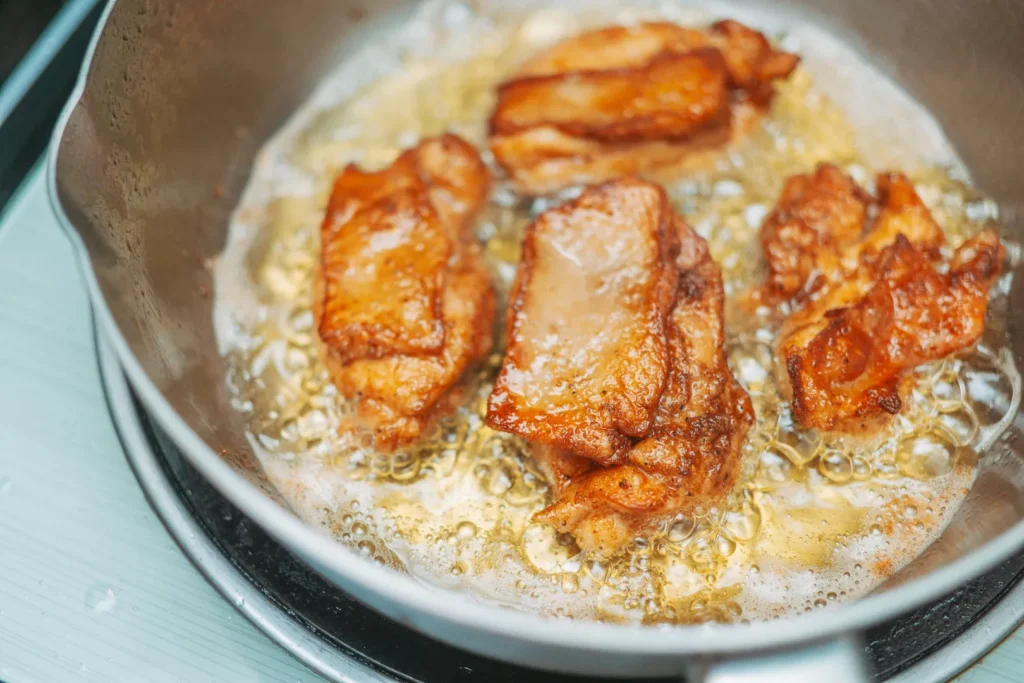
One of the minor gaffles to the browning process and texture is overcrowding. The food item that had been put in a pan at the same time would lead to the formation of moisture hence not searing.

This mistake is most of the time committed when they are in the hurry to save time. Ironically, it leads to the consumption of more time and less flavor in cooking. Food as well steam, rather than brown.

The batch method of cooking is also not a quicker method, and it yields better satisfactory results. This is part of the simple error in this kitchen that can be corrected to improve the taste and appearance.

Incorrect Seasoning Timing

Seasoning errors are some of the most substantial mistakes that could be found in the kitchen. Second, the salt that is added after and before might change the food flavor and cooking. Salt has an effect on the formation of moisture as well as the formation and texture of taste.

The time people spend preparing food is not well considered and they want to complete everything at the last minute in most cases. This translates into either flat or uneven taste. Some of them add the salts into the food and they know that they will reduce the value.

This error in cooking will not happen in time and the taste in the cooking process. It generates tastes and not make-up.

Failure to consider Temperature of Ingredients.

It is an enormous error to use refrigerator-fresh in the kitchen. The cold or dairy proteins will cook irregularly with an effect on the texture and doneness.

It is also wise to move the ingredients near the room temperature prior to cooking them so as to evenly distribute the heat in the preparation. This is actually taken into account when it concerns meat, eggs and dairy based sauces.

It is a small adjustment that would remove uneven baking and promote uniformity. Kitchen accidents are eliminated and the temperature awareness is enhanced.

The mistaken belief of Cooking Times.

The second error in the kitchen is that one should avoid using the cooking time on the basis that he or she does not watch the food. Recipes are not precise and these details as the size of the pan, the heat source, and the thickness of the items are used.

Eating almost every time ends up with over and under cooked food. A timer is not as much directed as the visual or the sensory.

Training intuition is possible to learn the ability to read the food not the clock and this mistake is minimized with time in the kitchen.

Using the Wrong Tools

The selection of tools is remarkable in that it might appear to most individuals. A useless task and delivers its outcomes with the help of a sharpened knife, the improper sort of a pan or the improper sort of utensils.

One such example is the non-good heat retain pan that is incapable of even cooking. The preparation will be more challenging and inaccurate with the help of a sharp knife.

The process of cooking is also simplified as the correct equipment is found and the chances of making an error in the kitchen is removed. The rudimentary quality tools enable the investment and the maximization of the efficiency and outputs.

Skipping Resting Time

Post cooking is one of the most frequent errors that are not taken into consideration in the kitchen. Slicing of meats has the effects of loss of juices that result in drying up immediately.

A rest is done in order to add more moisture and add texture and taste. It is in case of proteins and some baked products.

There is also patience that is one of the factors at this stage. The value of rest period is lost and this kills the good cooking.

Overhandling and Overmixing.

The over mixing error is a cooking error, which affects the texture especially in doughs, and batters. Whether it is by overworking or not, gluten or structure destruction will happen.

This fallacy is aroused by the need to get smoothness or completeness. However, the most preferable in most recipes is restraint.

The time of mixing dissolved prevents hardness and solidness. One of the typical errors in the kitchen is eliminated by the wisdom.

Misusing Oils and Fats

The other cooking error that can be encountered in the cooking area is poor use of oil in the cooking process. The oils are differentiated by the results of the smoke point as well as taste.

High temperature oils with low smoke-points cooked up give bitterness and burning. High flavored oil also deliberately distorts taste.

The cooking technique of the right oil that is used brings in the flavor and removes the issues of smoke. This is a small change that is not expected to imitate the kitchen follies.

The fact that it is impossible to take Taste Adjustment into account.

This is the greatest mistake in the kitchen as one cannot sample something when cooking. The seasoning or balance is a limitation to be corrected out of the season.

The salt, acidity and richness can be adjusted with the passage of time just like one does tasting. The practice improves performance and self esteem.

The tasting habit will make the cooking process a matter of conjectures.

Failure to comprehend Recipe Instructions.

It is one of the kitchen errors that is killed by half or not knowing recipes. There is no information such as the temperature or the time and it is disorienting.

The recipes are arranged in a chronological manner. The information about the reasons of the existence of the steps will help use them sufficiently.

In every case, there is disappointment in case of a mistake done and frustration that reading a recipe will prevent it.

Rushing the Cooking Process

Most of the mistakes, which are made in the kitchen, are as a result of impatience. There is the problem of burnt outsourcing and interior burning caused by heat cooking.

Cooking rewards patience. It provides more results which are allowed to collect flavors, and to cook ingredients.

Slow driving would reduce the number of errors and enjoy driving. This change of attitude will lead to a significant number of errors being eliminated in the kitchen.

source

Conclusion

The errors in the kitchen are accompanied with learning to cook but the learning process should not be defined by such errors. Most of the mistakes are not incapacitated, and are habitual. The rate of discrepancy and dissatisfaction in cooking will be minimized since the corresponding kitchen mistakes will be found and removed.

Errors may be fixed easily because the person would be aware of the causes that contributed to the occurrences of mistakes. Even a slight preparation, heating control and certain alterations of awareness will help. Preparation of food is made enjoyable.

Home cookers have the patient and curious. Every correction is professional and sure with time.

It is also possible that reading about the cooking tips, including the advice which is realistic and daily kitchen tips in Foodly Blog can help one be more attentive and avoid the common kitchen mistakes.

Cooking at home is among one of those areas where a person can work and experiment besides be content with the fact that a person can make a mistake and learn rather than be afraid.


Reflective Eating as the Gateway of a Better and Healthy living.

0

Introduction

Mindful nutrition is a realistic and achievable style of nutrition though not restrictive. Instead of adhering to rigid guidelines of food or a fad diet, mindful nutrition promotes the idea of educating people to a higher level about the impact, food has on their bodies, energy, and well-being. This would facilitate in making eating habits healthier with the focus on purpose, proportions, and frequency of eating.

Most individuals consume fast, distracted or even just because it is a habit not because they are hungry in the contemporary world. Meditative eating will help to be aware of the eating process. It promotes awareness of hunger cues, food quality, the quantity of food and emotion aspects that govern eating habits. Food options become less dictated and coercive by the time individuals feel at ease, and they wake up.

In the next paper, I will elaborate on the concept of mindful nutrition and how it can help to improve healthy dieting, long-run sustainability, and wellness, in general. It is preoccupied with the attainable habits, which may be used in our day-to-day life, which may possibly contribute to altering the habits of eating among other practices that make the stress be a cordial and useful habit.

source

Learning to be Conscious in Nutrition.

Mindful nutrition is not a perfection problem, but is more an awareness problem. The thing is not to eat well at all times but to be connected with power of food on the body and the psyche. The mindfulness serves to make superior choices in the long run without any blame and strain.

The first tenets include the understanding of the physical hunger and emotional or situational eating. Mindful nutrition will be a promise to stop and ask the question, am I hungry or am I not hungry and whether the person is conscious of the reason why he chose this type of food. This relaxed life cleanses the mind and the blindness on the consumption is decreased.

Meal attendance is also the other important value. Eating continuously assists individuals to visualize the flavor, feelings and satisfaction rates. Probably, the presence of this would be the cause of greater pleasure and the resulting automatic decrease of overeating.

Most of the population has been lured into the trap of equating healthy eating to the prescriptions of what to eat and what not to eat. Mindful eating is a transformation of the rules to the habits. It puts a lot of emphasis on how individuals consume and not what they consume.

By adopting the conscious nutrition, there are high chances that he/she will make choices that will promote energy, digestion and mood. This is attributed to the fact that one gets sensitive to the feeling of different foods in the body. This is a long run healthy behavior directed by this feedback loop.

Conscious eating is conducive to the mind. The elimination of food restrictions leads to the decrease of the levels of stress and anxiety associated with the food consumption. It is a non intricate strategy that not only does make it enjoyable to eat healthy but it is also sustainable in the long run.

Consciousness of Hunger and Conscious Eating.

One of the most significant mindful nutrition skills is hunger awareness. Majority is also obligate to eat foods according to time, emotional condition or what is convenient as opposed to starving. When re-educated on the signs of hunger, things will be back to normal.

The physical hunger will be developed during the time and will be satisfied with the assistance of a range of food options. Emotional hunger on the other hand is impulsive, specific. Perceiving the difference between the two can be achieved by conscious eating in order not to be judgmental.

It is a body training to think that there is food in it since it is reacting to the physical hunger. The trust decreases over consumption and enhances satisfaction in food.

Mindful eating in relation to the amount of the portion does not presuppose the measurement and counting. It is concerned with seizure of indication of fullness and halting when gratified at ease. This will be done in a way that it will not interfere with the natural regulation processes in the body.

Slow eating helps one to remember the portions because the body learns when it is full. Mindful nutrition appeals to take care of such nuances as palatial satisfaction and physical comfort.

The portion cognizance is time instinctive. Food is conventional and cannot be controlled and it allows one to connect well with food.

source

Standards of Food and Eating Consciously.

Implicitly mindful nutrition is based on the focus on the quality of food. The people are also likely to prefer more nutritious food since they have been informed about the effects of foods on energy and digestion.

This does not imply that one should give up processed foodstuffs. Taking responsibility with nutrition is flexible yet it focuses on balance. Foods are additionally determined according to their response to the common trends and not labels.

Obsession with the quality of food is avoided and thus, without causing any restriction, the same energy, better digestion and good health is maintained in the long-term.

One does not need special training to be mindful when it comes to nutrition on a daily meal. Such simple habits like relaxing during lunch, slowly swallowing a few times and clearing off distractions is a significant difference.

Even under the conditions of limited time, there is some mindfulness that can be developed. It is good to have a quick inhalation of breath just before taking a meal so as to refocus the mind and energy. These empty superstitious ceremonies introduce conformity in the long term.

Eating on a daily basis is now revolutionary and not hectic through conscious eating. It is a change that enhances gratification and enjoyment.

Waking-up to Eat and Eating to Feast.

There is nothing wrong about eating emotively and that does not mean it is a failure. Mindful nutrition does not judge upon emotional eating, instead it is a lesson to be learnt. The familiarity of triggers will allow developing healthier responses.

Taking a break before eating when in good moods enables one to have other options of comfort in case one is forced to. One can consume food at the individual approach but it cannot be the sole approach to coping as far as awareness is concerned.

Conscious eating, in the long run, leaves an individual emotionally strong because he/she becomes satisfied rather than hungry.

Composed meals are developed under careful eating. The meals can be frequently combined to a blend of nutrients that can help the body sustain energy in the case of an informed food choice.

The practice of mindful nutrition helps a person to be aware of the sensation of foods combination. Proteins, fibers, and good fat food would most likely feel fuller.

This will eliminate the necessity of having strict dieting programs. Balance is created because of knowledge and consciousness and not laws.

Nutritionist: Health Consciousness of Hectic Lifestyles.

The hectic lives are also mostly accompanied with rushed meals or even skipped meals. Conscious eating is flexible enough to these facts because it is not a matter of time, but intent.

Listening to the food is the activity that can enable the even a short meal to become deliberate. It will also be with me all the time coaching me on making healthy choices to have the body active and alert all day.

Mindful nutrition is not about perfection and progress and it is a realistic way of addressing the hectic schedules.

The daily habits also define the changes which do not occur in short-term but only in the long-term. This will be consistent as the eating of healthy food has been made available and pliable.

This will ease the digestion system, metabolism and mental state in long-term. It minimizes restrictions and binges.

Conscious nutrition promotes life-long sustainable practices that observe the changes in life, which promote wellness in the various phases of life.

Mindful Nutrition at Home

The eating behavior is greatly influenced by the home environments. Home mindful nutrition entails creating the environment that will help in mindful eating.

Simple measures like eating at a table, having a meal and cooking with a thought and not being distracted contribute to the spread of awareness.

Healthy eating is comfortable and nurturing thanks to home practices which are designed in regards to nutrition.

It is possible to go out to dine and pay attention. Knowledge will be used to make decisions that will not restrict pleasure.

The satisfaction is done through the hunger, observation of portion size, and rate at which one eats. Mindful eating is not commanding but in experience.

This is because social eating is pleasing and conducive to balance due to this freedom.

Awakened and Family Dining.

The advantages of mindful nutrition to families are in the building of healthy connections with food. The awareness modeling will be used to make the children gain confidence in hunger signals.

It is through family meals that one familiarizes oneself with the other instead of commanding on what should be eaten. It is a move towards the long run healthy living.

Conscious nutrition provides a favorable food atmosphere, where stress does not exist.

Food preferences can be of significant interest as to traditions. The conscious nutrition does not spread ignorance and it embraces culture and food.

This style promotes hospitality and entertainment as opposed to restraint. Cultural meals can be brought along at a low speed.

Intentional eating is discriminating on the food cultures.

The fallacies of Mindful Nutrition.

Conscious eating is also misunderstood with not eating fast or emptying glutton contents. Quite the contrary it is obsessed with awareness and choice.

There is no necessity to eat well and in a responsible manner at each and every meal. The process is flexible.

The consciousness of these myths will make people healthy eaters and will not compel them to resemble supermodels.

Nutrition is not a thing that one can do comfortably. The second is a habit derived out of the first habit.

Eating or reduction of distractions are habits that are easy and time-wise produce consciousness.

It is rather a consistency than intensity. The culture of healthy eating is fostered.

source

Conclusion

Mindful nutrition is a relatively helpful and informative style of healthy nutrition. It is more of a long term health as it is concerned with the consciousness, balance and perseverance without strict and rigid rules.

It is among the means to restore the trust in the body and develop a healthier relationship with food. More enriching and satisfactory eating patterns will come with time with conscious eating.

Even small, meaningful habits do count. Mindful nutrition is a part of the real world and it is the phenomenon that adjusts to the needs that change as well.

Through the discussion of the applied teachings of healthy eating and balanced living details, Foodly Blog can also contribute to the formation of healthy nutritional practices in the long run.

Conscious nutrition has made healthy eating an environmental friendly, caring and enjoyable aspect of life.

Cooking gastronomically, Healthy Lunches and Dinners Making Everyday Eating a Sustainable One.

0

Introduction

Their secrets are balanced meals that ensure regular healthy eating habits that keep the body refreshed, alert and healthy. Even in the normal life, eating is not just the contentment of the stomach at that specific moment but it is an energy to the body that is predictable and unchanging. The lack of balance in the meals adds to the appearance of the energy crashes, the cravings or the dissatisfaction immediately after the meal. It is possible to avoid such tendencies by feeding the body in a responsible manner with the assistance of balanced meals.

Balance does not imply absolute principles and proper balances of meals. They are associated with the art of combining foods together with comfort, food and pleasure. Combinations are better and more consistent and can be applied on a daily basis. Such a strategy can eliminate the pressure but will introduce the degree of awareness and flexibility.

The article expounds on the topic of balanced meals on a practical basis. It determines a balance, its operation in the real life, and how the simple decisions may assist in the general food trends in the future. The awareness of the balanced meals helps to eat calmly, in temper and more desirable to the general wellbeing.

source

Getting The Truth about Balanced Meals.

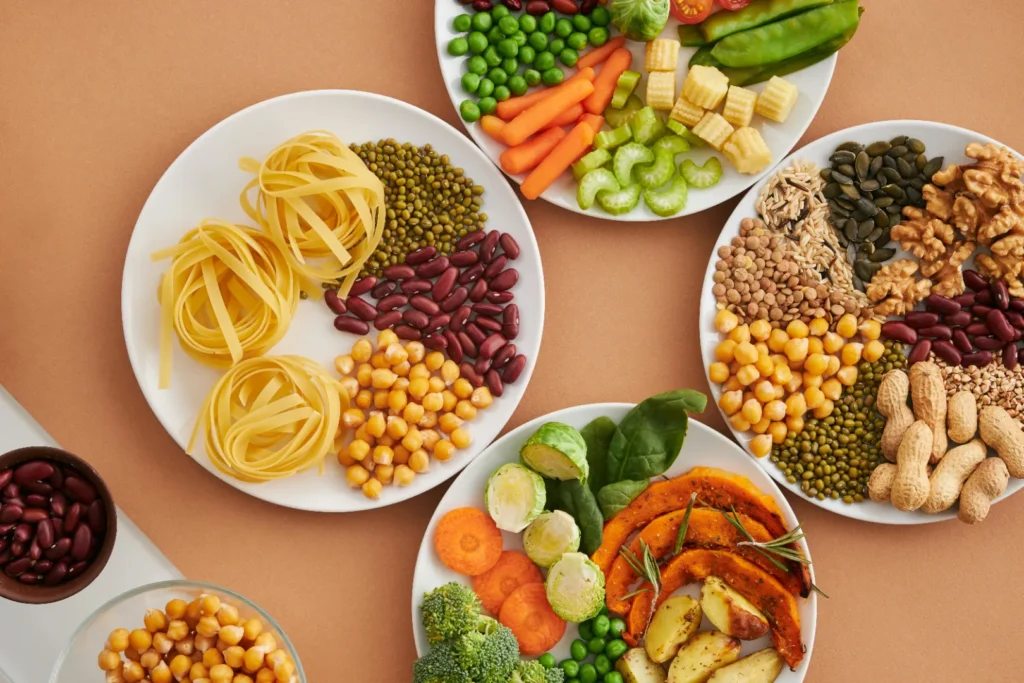
Balanced meals are a combination of different nutrients, which complement each other in a bid to support the body. Balance is not concerned with a kind or a trend of foods in comparison with the interaction of carbon dioxide, proteins, fats, fiber and micro nutrients. They are useful both to digestion, energy and satisfaction.

The energy can be taken in the form of carbohydrates, the structure and repair is required and taken in the form of protein, the feeling of satisfaction is given by the fats and the fiber is required which is given by the digestive system. All these put together, meals are holistic and healthy. The advantage of balanced food is that there is no use of snacking around all day and overeating later.

Passion also involves fun. More convenient to keep up are emotionally fulfilling meals. Balance meals help to keep the physical nutrition, and have a healthy association of food.

The importance of Balanced Meals to Daily Energy.

The balance of meals is closely related to the quantities of energy taken during the day. Excessive concentration of a certain nutrient in food usually causes immediate increase in energy and consequently drowsiness. Dinners that contain a moderate amount of nutrients are more frequent regarding the supply of energy, and keeping the body and brain in a comfortable condition.

When the food contains protein in it then there is slow digestion of the food and the energy which is released is minimal. It is helpful in averting the moodiness and productiveness that may be caused by the emotional swings in blood sugar. The diet meals keep the energy level normal without stimulants and excessive intake of snack foods.

The time-based regular balanced meal will allow the one to control his appetite and increase awareness of the hunger indicators. This renders the day to day operations less responsive and more routine.

source

Of Hungery Food and Preservation of Depthy.

It has greater meal balance in terms of appetite control. The imbalanced food may result in discontentment by such people leading to overeating or grazing. Balanced meals provide the sense of fullness and decreases the desire to eat more in the near future.

Fiber and proteins are necessary in the satiety. Their regular use predisposes the body to being very sensitive to the messages of fullness. Balanced meals enable the hunger and fullness indicators to perform their role in the desired way.

This consciousness brings food habit security. Instead of making it pre-determined with the outside laws, individuals learn how to react to needs of their body in natural forms by eating balanced meals.

The Construction of the Balanced Meals at Home.

Individuals do not require having to go to an elaborate preparation before they can prepare balanced meals at home. One does not need to have the conventional foods and combinations. This is in order to add variety without overloading.

Protein source would include a balanced plate consisting of a carbohydrate and vegetables and healthy fat. This shape is capable of being plastic and simultaneously providing sustenance. Depending on the meals served and their preferences they can as well be changed.

Home cooking is more dominated by balance. Differences made by the flow of time, help in developing trust and continuity without stresses.

Bedtime Snacks

The meal balance is usually exposed to the day to day demands of the busy life yet there are easy steps that can be implemented to achieve the required balance of meals. The planning loosely and keeping the staple foods available are also essential in balance in eating.

The balance can also be prepared on fast foods that contain more than one ingredient. Even a combination as simple as it is is aiding nutrition when considered.

Balance in meals is not something that needs perfection. The monotony of the week is more significant than the separate meals, and this is why such a strategy can be used in the hectic routine.

Balanced food and Family meals.

The well balanced meals come in handy particularly in a family. They have an inexhaustible supply of food and they are appropriate to various tastes. The variety of food gives people an option to consume what is right to that person.

Such foods are also exposed to children who are not compelled to consume well balanced meals. Exposure to other types of food and on a regular basis can result in curiosity and familiarity.

Families whose meals are balanced in nature provide order and stability as well as accommodate healthy intergenerational practices.

Dining Out Balanced Eats.

Going out does not avoid mixed meals. Sensitivity and openness allows free decisions. Eating, which consists of several classes of food, makes one happy.

Fast foods eaten out are not addressing the preferences of the individuals but rather the trends. The element of gustation is also still a significant portion of food.

This elasticity promotes healthy attitude in moderated consumption in social places.

Health and most Long-run Foods.

It is the habits that make people long term and not short term in their health consideration. The cooked breakfast, lunch and dinner are good in maintaining long term of digestion, energy and health.

In case of a balanced meal, there would be a constant supply of nutrients to the body. This will make sure the metabolic systems are not strained and resiliency is improved.

One of the pillars of healthy lifestyles and not fast solutions is healthy eating.

source

Conclusion

In the meantime, the balanced meals are convenient and are a fair means of sustaining the daily energy, satisfaction and wellness. The emphasis on diversity and standardization helps them to eliminate the strain in matters of food and make an influence on a daily routine.

There are no extremes that are required in this approach. Balanced meals could be considered one of the features of the ordinary life and it could be adjusted to various periods of time and tastes.

The little decisions do matter in the long-run. It is not a hard to find balance meal but a regular meal these days.

Foodly Blog would help you make a balanced meal that fits your lifestyle and objectives by venturing deeper into the details of everyday meal advice and tips on food.

Food Culture preserving identity, taste and food culture.

0

Introduction

Culinary heritage refers to the food knowledge of a group of people which is transmitted with the generations and forms the communities with respect to the way they cook, eat and associate. It consists of ordinary foods, cooking techniques, and overall traditions, which reflect the past and the place. Culinary heritage may be considered one of the best depictions of the cultural identity, ranked next to the current trends in food, and it is formed on the principle of the everyday life, and not innovation.

Tradition of food does not wholly touch on the familiar food or the party food. It thrives in day to day cooking, house cooking and at the local markets where the practice is inconspicuously and habitually practiced. These are food traditions, which are handed over like memories and values and knowledge of survival that links the past and present. Culinary legacy assists human beings in valuing food as a cultural language instead of a source of foodstuff.

The paper describes the culinary legacy at the global scale, how it develops, its importance and the way it still influences the existing cuisines. It is also possible that cooking culture makes us appreciate our traditions that make up our food consumption and absorption nowadays.

source

The History of Culinary Traditions.

The origin of food culture is the identification of people to the environment. The initial food culture had been affected by the geography and climate conditions and the source of foods. They taught the societies how to cultivate their food, harvest and preserve it in a manner that guaranteed their survival and gave them a unique food identity, which was geographically different.

Such practices were ritual and developed with the development of generations. Some of the techniques involved are fermenting, drying, curing and slow cooking which helped in the extension of shelf life and also in improving the taste. Such practices were part of the food culture and not the education of literature but the expertise.

The repetition and experience are the further practices of culinary. Cooking techniques are not learned in a quantitative manner but through observation, therefore convention is being combined with practice. The informal text makes the food culture alive and vibrant.

Traditions Gastronomic and Nationality.

Food is a very significant identity and food heritage assists in establishing a sense of belonging. The ancient foodstuffs are used in the in festivities, religious and even family reunions and are seen to belong to the culture and the community to a higher extent.

The collective history that is embodied in Hallmark Culinary heritage includes migration, trade and acculturation. Ingredients and methods are likely to be characterized by resilience and the process of exchange and how cultures shape each other and preserve their own distinctive identities.

Culinary heritage is used in preserving uniqueness of communities in the globalized world. Despite the cuisine development, the traditional food culture offers continuity and the cultural presence.

source

The value of geography of Culinary Tradition.

The geography is one of the characteristics of the culinary heritage. Areas that are near the coasts will tend to depend on fish and other aquatic resources as compared to those in the inland areas which have specialized in grains, animals and tinned foods. Time of growing is also determined by climate, so is staple food and the way they cook it.

The spices and herbs are basically used as a preservative and a digestive agent particularly during hot seasons. Cold weather is more preferable to slow-cooked and hearty food because it is warm and gives energy. The environmental conditions result in natural food variety.

Geographical knowledge would also provide a clear picture as to why there exist foods that go hand in hand with a certain place. Culinary tradition is an excellent reaction to the local conditions as well as the manifestation of the culture.

Food Culture of Asia.

Asian cuisine is regarded as non-aggressive, precise and appreciation of the ingredients. Most of the Asian cuisine is based on the complementarity of flavours, textures, and nutrients. The majority of the local cultures are based on rice, noodles, fermented vegetables and food.

Culinary identity is also independently discovered as the uniqueness of the respective nations in terms of climatic, religious and agricultural factors. The Asian food culture is more accurate and crafty and the techniques are centuries old.

One of the most significant spheres of the everyday life, rituals, and human relationships is the food. The solidarity of the culinary tradition is attained with the help of the street food, domestic cuisine, and the traditional meals.

Food Traditions in Europe.

The European food culture is strictly interconnected with the local food production and geographical confines. Most of the traditional food developed as food to continue to support laborers who faced towards food and food availability.

Bread, cheese, cured meat, and seasonal food form the major part of them. One of the ways of possessing culinary heritage preserved and retained in its originality and almost a point of pride to the locals is through regional designation.

European food is indicative toward quality and comfort. The same style of cooking that was employed in the generation cooking is still a significant one in the modern cooking around the world.

Traditions Middle Eastern Cuisine.

The food culture of the Middle East is obsessed with hospitality, generosity and eating together. Most of the meals predominantly consist of grains, legumes, herbs and spices, that are tasty and healthy.

The trade routes also led to these cuisines, the taste and the methods were blended with that of their neighbours. This interchange is manifest in the food culture although with great regional identities.

Food is a social process and helps in the social bonding. To hospitality, nurturance and culture food is added.

The Traditional Culinary Heritage of the African Food.

The African food culture is exhibitive of flexibility and creativity. The food traditions, which differ according to different climates and scenery have been shaped and has tried the ways of using grains, vegetables and proteins.

The best ways of cooking old fashioned like slow simmering and combining spices are the best to maximise tastes and health. The customs are associated with the extensive understanding of the local products and the environment.

The culture of African food is based on participatory aspects. Sharing meals and common cooking are helpful in the maintenance of the cooking culture.

Food Culture America and Canada.

Food in the Americas has been affected by the involvement of the indigenous, colonization and migration. The local cuisines are largely premised on the local foodstuffs (corn, beans, and squash).

A measure of food traditions is adaptation and mixture of the indigenous methods and imported products. This is regardless of the fact that there exist strong local identities.

The food traditions of the Americans are centered on resiliency and creativity where the culture is preserved through food transformation.

History and Religion. Family Traditions and Culinary.

The largest custodians of culinary heritage are the families. Sharing of cooking experiences has been the most effective way that the recipes and methods have been exchanged and not taught.

The home kitchens turn out to be the place of cultural education as the values and history are passed on with the help of the food. The bond and continuity is better with family meals.

Consciously, such practices should be maintained as the way of life is taking a different shape. Traditional foods preparation is one of the ways of preserving the cooking tradition across the generations.

Recent Issues of Cooking Culture.

The food culture is faced with globalization and convenience foods. Their high scramble lifestyles and mass production of foods can be covered by the traditional low key lifestyles.

The city may decrease the supply of home and cooking space. The younger generations are exposed to the threats of being introduced to heritage foods.

Nevertheless, there is increased interest in cultures as pertains to food traditions. In modern society, education and awareness have come in handy in the preservation of cuisine.

The Gastronomic Traditions and the Eco-Sustainable Tourism.

The conservative food systems lean towards sustainability. Food heritage is on the basis of local and seasonal food and reduction of wastage through food canning and food preservation techniques.

These are food security activities and environmental balance. The case of culinary heritage shows that the use of resources which were created over the course of the history may serve as a good example of the resource usage.

The cross over of the traditional foods can be in a position to guide the current sustainable food trends. Heritage foods may be examples of responsible consumption.

Food Tradition in the Modern Domestic Cooking.

The integration of cooking tradition to domestic cooking brings about the meanings and significance of meals. The conventional methods offer order and have room to innovate.

Maintaining the traditions of the art of cooking home cookers have an opportunity to approach the main principles to the opportunities provided by the ingredients. This is what renders traditions as contemporary.

Discussion of old recipes stimulates the cultural values and interest towards food.

Food as a Teaching Method.

The food culture also provides the indication concerning the past, geography, and the social organization. It is possible to observe the human development through an eye, food.

The analysis of the ancient traditions helps to be sure that the cooking-process and the enjoyment of the ingredients are good. Tolerance and craftsmanship is provided by the food culture.

One of the aspects of education is food which entails appreciation and cultural respect instead of imitation.

Food Travel and Traditions.

One of the ways of giving people first hand experience into culminary heritage is through traveling. Being exposed to traditional food one would learn more about it in relation to its origin.

Local food is not special and even banal. Culinary tradition exposes pure food culture.

These experiences are what culminate into the desire to make meals at home and inter-cultural interactions at inter-cultural levels.

Tasting the food of old times.

Preservation involves documentation, education and community education. The knowledge of gastronomic experience is maintained by narrating stories and recipes.

Hiring of the local farmers and old cookers boosts culinary practices. The guarantee of sustainability is communal participation.

Responsible preservation is rooted on the basis of respect and authenticity instead of commercialization.

source

Conclusion

Food culture is vibrant history of the human life of existence, the environment and creativity. It has influence on cooking, eating and generational relations of people. The traditions are still practiced and they maintain the culture and memory.

Gastronomic heritage brings a sense of the stability and the reality within the globalized world. It helps us to remember the local knowledge and tradition point.

The heritage practices in the modern day cooking that aids in respecting the different cultures are the addition to the daily life. The culinary is made more innovative and aware of these practices.

The food narrations and food information of the food in the world found in the Foodly Blog can make one love the food heritage and how it is being exploited to cook the daily meals.

We can and will have the ability to respect food heritage through the aid of variety, preservation and ancient food efficiency to unite mankind.

The recipes of a Weeknight: Simple, Comforting, and Reliable Everyday Cooking.

0

Introduction

Week night recipes play a significant role in how people are eating home cooked meal in their busy schedules. The idea of preparing food may be overwhelming to you after spending the best part of the day at work, with family life or even ensuring that you get to the mall to run your errands. Many members of the population are more satisfied with concocting, predictable and satisfying food without the necessity to adhere to some complex processes or to prepare it during hours. The role of weeknight recipes is to address this need with a great focus on pragmatics and at the same time provide flavor and balance.

There is no rushing through of meals or ho-hum meals that happen in weeknight recipes. They are to do with the development of systems and practices that can turn the very process of cooking into a manageable and even enjoyable one on the routine days. Preparing the recipes that were elaborated with the limitations of the real-life environment will lead to a lower rate of stress and allow people to return to home cooking without demotivation but with the feeling of self-confidence.

This paper talks about weekday recipes in realistic and lifestyle-based style. It explains what actually makes a recipe weeknight friendly, how to plan and cook and how these meals maintain consistency in home-made food. Being aware of recipes on weekdays with the aid of this knowledge, the majority of the daily meals are something to look forward to as well as something to avoid.

source

The Secret of making recipes during weeknights.

Do not forget that not every recipe would be suitable during a hectic evening, simply because it seems to be tasty. Weeknight recipes are determined by the effectiveness, ease, and adaptability. Their preparations are minimal, the ingredients are generic and the methods of cooking can be fitted into a limited time frame without any changes in taste and the nutritional content.

One of the most important peculiarities of recipes during weekdays is predictability. The food is supposed to work even at low energies. The clarity and flexibility in instructions lead to the mental load that tends to be assigned to decision-making, which occurs after a hard working day to be reduced to the minimum.

Also in week night recipes attention span is noticed. They also do not fall prey to repetitive procedures and focus on procedures that will produce results, without necessarily being closely monitored. This will make the procedure of cooking not as strenuous and more accessible during the working week.

The culprit that makes Weeknight Recipes able to assist you in eating at home regularly.

Consistency is one of the greatest barriers of home cooking habits. The recipes that appear to be difficult or time-consuming will cause people to consider using takeouts or ready-made meals. Recipes that can fill this gap are those that are found on weeknights and offer solutions that are realistic.

The weeknight recipes will assist in cooking even when one is not motivated by the reduction of friction. This conformity assists in taking up healthier diets and proximity to home-cooked meals. The time habit inculcates self-confidence and reduces dependence on food available outside.

Weekly recipes are also used to assist in routine. Cooking falls within an expected rhythm, in which it takes less effort to maintain. This uniformity makes the process of making domestic foods more sustainable during busy weeks.

source

Planning Weeknight Recipes.

The use of planning is a good approach of preparing weeknights recipes. Even a mere meal can be stressful without any plan. Strict schedules are not a requirement to planning but it is better to have a rough direction.

Selection bias When it comes to weeknights, the reduction of decision fatigue through the use of a relatively small amount of recipes is achieved. It is possible to restate the same food with minor modifications so that the process of shopping and cooking could be easier. This style renders the cooking process free without any feel of orderlessness.

Planning also contributes to the enhanced use of ingredients. Reduction of food waste and simpler meal preparation are obtained as a result of the recipes of choice. Weekday recipes are found to be effective when they follow a larger shopping, cooking, and leftovers schedule.

Weeknight Recipes Products That Simplify the Cook.

The ingredients used to make the recipes that are made on the weekdays are equally important as the process of cooking. Foods whose preparation is pegged on the availability of the multi purpose foodstuffs are easier to prepare on a regular basis. Stapes that can be used in different recipes imply that an individual does not need to visit a shopping place every now and then.

The recipes adopted on a weekday are normally prepared on ingredients that can be stored or cooked quickly. These are foods that are not compromising on efficiency. Preparing using the foodstuffs that can be stored also assists in alleviating the need to prepare everything at a time.

Credibility is established on what one knows. When Cooks know what they are dealing with they move through recipes with ease. This is what makes the recipes of the weekdays friendly rather than threatening.

Cooking Tips When You are in a hurry.

Recipes used on weeknights will be capable of using methods that can lead to minimum results of effort. The methods applied are roasting, sauteing, simmers and one-pan cooking since they provide a nice combination of speed and taste.

These will reduce the time of cleaning up and time spent in preparing food which comes in handy especially during busy evenings. Weeknight recipes tend to be recipes that can be cooked using hands off cooking and the person then moves out of the kitchen allowing food to cook.

Learning fewer dependable techniques, it is simpler to make up recipes on the fly. This renders it to be flexible since the cooks do not get pressured to use the food or time they have since they can be flexible.

Time Management and Weeknight Recipes.

Time management is the secret of weeknight cooking. Weeknight recipes are prepared so that they can fit within these small windows and they are not in a hurry. This is made up of preparation period, cooking period and cleaning.

One can break down cooking into smaller sections, and it will make the meals friendlier. Evening work may be a huge liability that can be eliminated through simple planning in the morning of the day or during the weekend. This modular approach can be used with weeknight recipes.

Information on the actual time that it will take to prepare the recipe is credible. Recipes which match as far as available time is concerned are good supplements and not an annoyance.

Weeknight Meals to Eat Healthy.

Speed in week night recipes, there is not only speed but there is balance as well. Various meals have a combination of nutrients, which keep energy and satisfaction long till the evening and the next day.

The recipes of the weekends have a tendency to consist of proteins, carbohydrates, vegetables and fats. The balance aids in ensuring satiety and prevents snacking habit later in life.

The healthy eating is made more manageable with the balance being included in the daily meals. It is helped by the weeknight recipes, the balanced meals are the norm, and not the exception.

Weeknight Family Recipes.

The family meals present an additional difficulty to the meal of the week days. The family recipes during the weekdays are grounded on familiarity, flexibility and simplicity.

Food that is customizable at the restaurant works in various flavors. This flexibility means that the preparation of different dishes is not such a big issue and the time of eating is much more carefree.

Family-friendly this week night recipes are also useful in bringing about routine. Eating routines and regular foods suggest a sense of balance which is healthy to the children and adults.

Cooking Weekday One on a Budget.

During the weekdays, family is not the only means of cooking. The problem of portion control and motivation are also involved in the problem of cooking alone. Recipes of the weeknight are to be prepared individually and on the rest of the dishes.

The ease of storage and the possibility of recycling of meals facilitates efficiency. Wastage will be reduced with this strategy and individual cooking is not so hard as in a group.

Weeknight recipes that involve single persons are also aimed at pleasure. I do not find cooking to be a burden, as it is a loving process even on a fast-paced night.

Weeknight Recipes: Relaxing.

Food can be determined by stress quite well, as compared to hunger. Evenings also in a hurry or overdoing it, then the first thing to give up is cooking. One of the ways to overcome this trend is recipes prepared during a weekday.

Few and simple instructions and a good outcome will eradicate the fear of cooking. When people believe in their recipes, they deal with food with less concerns and fears.

Such reduction of stress levels in the long-term perspective changes the perception of cooking. Weeknight recipes assist in making dinner a stress reliever rather than a stress causing event.

The Monday-Friday Recipes using Leftovers.

The Leftovers is a wonderful cook on weekdays. The preparation of recipes during weekdays is more likely to build the capacity to prepare multiple dishes using ingredients.

In making and eating meals more than once saves on time and does not affect quality. The food left on the foodstuff can be utilized in preparation of new foods and this makes food interesting and effective.

This is an efficient plan that is sustainable in terms of time and cost. Home cooked meals that use leftovers will make home cooking more viable and effective due to hectic schedules.

Remaking Weeknight Recipes to Tastes.

The recipes that have successfully made it through the week are those that are flexible. No recipe can be rigid and inflexible. Adaptation allows meals to accommodate personal tastes, nutritional as well as food provisions.

Replacements and alternatives also make sure there are no repetitive recipes. This flexibility fosters inventiveness without the necessity to make any further effort or planning.

Flexible recipe recipes which can be cooked throughout the week are more long term. They develop with the cook and not archaic.

Consciousness of Weeknight Food and Spending.

Budgets usually control foods on a weekly basis. Cooking of recipes on the weekdays using inexpensive foods is one of the causes of non-expensive home cooking.

The availing of seasonal foods and the everyday food commodities assist in ensuring that a meal is affordable. Weeknight recipes refer to recipes that observe low-end value and high-end satisfaction.

This balance implies that more households have access to home food. The kitchen stability and trust is supported by the low-cost recipes.

The Easy way to make Self-assurance with Weeknight Recipes.

Practice and achievement leads to the development of confidence. Weekday cooking recipes provide the opportunity to practice the cooking skills in a low-stress situation.

The meals won make the belief in the process stronger. As the time of the cook flows, the cook becomes less strict in improvising and experimenting.

This trust is not limited to the weekends dinners. Easy recipes will also contribute to the development of abilities that will aid in the growth of cooking creativity.

source

Conclusion

The weeknight recipes are a must in the establishment of a sustainable and enjoyable domestic cooking routine. They submit to life-riveted circumstances, but can offer comfort, taste and moderation. These recipes ensure that it is consistent rather than perfectionistic because they are pragmatic.

In situations that are not cooking overload then cooking is a daily routine that is not carried out once in a month. Weekday recipes remove the sense of unnecessary stress and provide it with shape and credence.

The elements that bring success are flexibility, planning and simple techniques. All these make food preparation to be available during the busiest times.

Foodly Blog has the potential to expand your repertoire of dependable weeknight meals and support your practice of cooking at home by searching in daily meal ideas and practical cooking guidance.

Nutrition Santa Maria Healthy Living Lifestyle That builds Wellness, Vitality and Balance.

0

Introduction

Healthy eating lifestyle is not built around the rigid rules, fad diets and ideal food selections. It is affected by the habitual exercises that foster sustenance, homeostasis, and pleasure in the long run. The majority believes that healthy eating is about prohibition or complexity, but the reality about the situation is that it is all about creating a sustainable bond with food that can prove to be understanding to the real-life, personal interests, and future goals. When properly handled, eating well would not be stressful but rather positive.

Healthy eating lifestyle habits do not just have an impact on physical health. They affect the intensity of energy, digestion, mental acuity, temper and the confidence of people towards food. Always the point of eating is what you eat regularly and not what you at one time or another. The maintenance of eating healthy is not difficult since it is focused on patterns rather than perfection and is more effective in the long run.

In the current paper, the issue of healthy eating lifestyle will be discussed in a realistic manner. It discusses how habits are formed, what balance actually means and how the choices made in everyday life are what define overall wellness. Rather than being strict and structured, it is geared towards developing a perception and the feeling of assurance to make healthy food natural, flexible, and sustainable.

source

Defining What it Means to have a Healthy Lifestyle in Eating.

Eating healthy does not involve the exclusion of food categories and the observance of the rules of the trends. It is preoccupied with uniformity, diversity and food. This approach values the fact that food is applied in other activities like powering the body, in health maintenance and as a source of enjoyment. Having a healthy diet makes one fit all these roles without guilt.

Balance is a key principle. Healthy eating lifestyle is a combination of nutrient such as carbohydrates, protein, fats, fiber, vitamins and minerals. All this is in favor of body mechanisms. It helps to have a balanced meal which makes the body to work better and the craving to be easily controlled.

One also needs to be flexible. Healthy eating is adaptive and adherent to various cultures, time and preferences. Eating well is a loose concept that does not have any specific way of doing it and this is what makes it sustainable as a lifestyle as opposed to being a temporary lifestyle.

The applicability of healthy eating lifestyle in the long term.

The short-term dietary patterns have the capability of delivering immediate impact, and in fact, they are not likely to be long term. The lifestyle of healthy eating includes habits that are long-term and not short-term. It is a long term plan which is successful in bringing gradual health improvement and not ups and downs development and decline.

Eating healthy is a habit that helps in regulating the degree of energy and digestion. With time, one gets used to routine food and is more comfortable and active during daytime. These benefits do not come immediately and enhance the significance of consistency.

Dietary practices also have implications on the mental health. Food related stress will be reduced by healthy lifestyle of eating that will remove strict guidelines. This emancipation helps people to gain faith in their bodies and make choices consciously rather than fearing or being pressured.

source

Preparing Fruity Lunchboxes in the Healthy Eating Lifestyle.

The foundation of healthy eating lifestyle is based on balanced meals. The balanced meals combine types of foods unlike taking each nutrient independently to foster satiety and nutrition. This balance is handy in the normalization of the blood sugar and in maintaining normalized energy.

In a healthy meal, there is generally a source of proteins, a source of carbohydrates, healthy fatty foods and highly fiber rich foods such as vegetables or fruits. This combination facilitates digestion and keeps the hunger between meals. The signals of hunger and fullness are also more easily audible as compared to the balanced meals.

The preparation of balanced meals is not that arguably difficult in the sense of attempting to measure things. The consciousness has been developed over time thus making meals appear natural than procedural. This skill instills confidence and results into a reduced reliance on the external regulation.

Healthy Eating and Vitality Habits.

Energy is one of the most conspicuous benefits of healthy eating lifestyle. Frequent feeding of the body would assist it to be more focused and stamina-filled. Absence of meals or consumption of highly processed foods are normally accompanied by rises and falls in energy.

Fitness dieting ensures that the energy levels are sustained by providing me with continuous energy through the day. Foods and snacks that have an assortment of different nutrients will absorb slower and no sudden surges and spikes will be produced. It is a kind of stability which makes productivity and comfort easy.

The long-term effect of healthy eating practices by individuals is that they get fewer cravings and are better able to concentrate. Such innovations make the daily routine less complex and tolerable.

The Whole Foods contribution to healthy eating.

One of the main components of healthy eating lifestyle is whole foods. These are foods which are less processed and more in sync with the nature of their foods and are more natural in terms of nutrient additions. This method is based on fruits, vegetables, whole grains, legumes, nuts, seeds and excellent sources of protein.

Whole foods are full of fiber, vitamins and minerals which help in digestion and overall health. They also prove to be more rewarding, they will stop overeating and grabbing a snack without considering it. Balance will be encouraged in the long run by whole foods.

It is not that one has to be a perfect eater of healthy food. The question of using processed foods in a healthy lifestyle still allows one to use them with a lot of caution. It is focused on trends instead of exclusion.

Eating Well and Eating Right.

Learning about portions is an important part of good nutrition, and it is not not expected to be a crippler. Portion eating can help one to fit the food intake with the amount of energy and hunger needs without obsessive counting and weighing of food.

The healthy diet lifestyle encourages the power to listen to the inner voice beyond the external control. Portion awareness is favorable to slow eating, awareness of fullness and quitting when full.

Such awareness will eventually reduce the overeating and create confidence towards the body. Control of portions is no longer a coerced thing but rather an instinctive thing, which inclines towards a more laid-back approach to food.

Healthy Lifestyle Eating on the Busy Schedule.

This is because flexibility enables individuals to eat healthy, despite the too-busy lifestyles. Healthy eating lifestyle is also not time limiting because it is not concerned with the elaborate plans, but basic repeatable plans.

Meal preparation of basic recipes, maintaining stocks of maintaining foods and the need to revert to familiar formulas contribute to reducing decision fatigue. In order to be healthy, it does not necessarily mean that one must be diverse in his/her meals.

Relevance is more of being rather than complex. Even plain food can be health wise as long as it is taken as per the principles of balance and taken on a regular basis.

Eating Healthy at Home.

The home environment has a great influence on the eating behaviors. The healthy eating diet is made more manageable with the availability and visibility of healthy foods. Even a slight change in the organization can result in a major disparity.

The availability of fruits, vegetables and other simple products is good to ensure that people make a better choice. Planning meals loosely rather than strictly planning meals, is a way of being flexible and at the same time balanced.

Long term habits are characterized by home habits. Whenever it is normal to eat healthy at home, it becomes easier to continue at other places as well.

Eating Healthy Lifestyle When Eating out.

Eating out does not always disrupt a healthy eating program. Flexibility and awareness do not constrain balance of choice. One can make decisions by learning about the hunger signals and the amount of food they need to consume.

Rather than attempting to be perfect, one should pick up the meal that can make him/her feel good and balanced so as to get some consistency. During meals, although in a restaurant, fun is still an important aspect of the meal.

Social and cultural lifestyle imply healthy eating lifestyle. General patterns are provided with harmony as compared to individual meals.

Healthy Eating Pattern and Psychological Health.

The food aspect is much connected with the emotions, and the healthy lifestyle in eating is aware of such a connection. Emotions of food are banal and not a sign of failure. The need to learn triggers one to develop more accommodating habits.

The dependency on food as a source of comfort can be reduced by establishing other coping strategies such as sleep, exercise or bonding. The need of the emotions is also fulfilled when individuals eat more purposefully.

The attitude of humane is sympathetic to the mental and bodily health. Such a balance improves the long-term adherence to healthy food.

Healthy Eating Lifestyle and Digestive Health.

Digestive comfort is also promoted by the regular and balanced eating patterns. Good digestion is provided by healthy lifestyle in provision of fiber, hydration and frequent meals.

The eating habits, which are either restrictive or unstable, tend to be extremely disruptive to digestion. Stable food, in its turn, does not cause that great stress to the digestive system.

The improvement of the digestion will be fruitful in long run in terms of energy, immunity and general comfort. These are the benefits that uphold the significance of good eating.

Balance of Healthy Food and Physical activity.

The question of weight balance is also of concern, which is also dealt with in an indirect manner by a healthy lifestyle of eating. This approach lays stress on food and frequency as opposed to making sure that the weight is counted.

The moderate case of dieting aids to keep the stomach full and reduce extremes and the weight gain or loss is not prone to be permanent. It is one of the escapes of the restraint and binge-eating.

The mentality of thinking health as opposed to numbers will result in a healthier mind and long-term results.

Making Sustainable Healthy Eating Digital Citizens.

Sustainability is the quality of a healthy lifestyle in the eating habits. The habits must become a part of the day, and one does not necessarily need to struggle or be motivated.

Breaking-even, tiny, tedious processes pile up. Regular meals, constant hydration and eating whole meal facilitates consistency.

These are habits which become automatic as time goes by. Healthy eating is a voluntary and not a compulsory action.

source

Conclusion

Health eating lifestyle is based on consistency, balance and flexibility compared to perfection. It encourages sustainability, vitality, and wellness in the food area with a focus on daily habits. This kind of strategy ends stress and replaces it with knowledge and determination.

Nutrition is best utilized in life when it can be applied to life. Adaptability permits the habits to vary based on the changing schedules, tastes and needs. This is what renders the lifestyle sustainable.

Micro decisions introduce a massive transformation in the long term. Healthy eating turns into an empowering behavior as compared to a continuous battle.

The directional searches toward Foodly Blog may strengthen the healthy lifestyles and the confidence in making the correct decision every day because of the access to the helpful nutrition information and encouragement to eat well and healthy.

By embracing a healthy lifestyle in food consumption, food becomes a source of sustenance and enjoyment besides the future health.

Snacking Every Day: How To create New, healthier, more balanced eating habits.

0

Introduction

The eating habit also affects the eating routine of most people more than they would believe. The manner, time, and intention of having a snack may add to the continuity of the energy rate and balanced meals or noiselessly distract hunger and focus throughout the day. Majorities no longer regard snacks as some special occasions and it is part of their working days, family holidays and even in social events. The snack behavior knowledge assists in making snick and snacking an active response to daily nutrition a part of daily nutrition.

The habits of snacking with time are developed by convenience, setting, emotions and habit. Most of the people eat snacks without paying a lot of attention and knowing whether he is hungry or it is the circumstance that makes him hungry. It is possible to change the habits of snacking by becoming more aware of the circumstances, in which they become more advantageous to wellness than not. It is aimed not at excellence but routine and mindfulness.

The author will be pragmatic and lifestyle in the habits of snacks in this paper. It talks about habit formation and the push that it produces and the power and desire and that little changes merely make a permanent change. As soon as you familiarise yourself with the snack habits, you would be able to establish the more balanced and healthier relationship with the food, which will be relevant to the real life.

source

The Way Snack Habits are Made.

The habitual behavior and not choice determines the purchasing behavior of snacks. This will result in the brain over the years associating a certain time of day, location or even mood to eating. This may be eating in the office, screen and response to stress. These are patterns that are formed unconsciously as a fact.

Environmental stimuli are significant. The snack habits are due to the easily available food, the snacks on sight and social factors. Snacking is likely to increase because the food is easily accessible at all times whether one is hungry or not. It does not imply that snacking is bad but it is worth telling that it is a behavior that is developed in a situation, but not necessarily.

The knowledge related to the habit formation will enable decreasing the guilt related to snacking. It is better to make changes than just blame it and find patterns helps to make it possible. Awareness and choice as opposed to being compulsory can redefine the culture of snacks and alter it.

The importance of Snack Habits to Daily Energy.

There is a close relationship between snacks and daytime energy levels. The snacks not selected will very likely cause sudden outburst of energy preluded by fatigue. The number of snack habits being kept is actually quite numerous to sustain the normal energy between the feeds.

Purchasing the snacks in a budget plan will serve to avoid the situation of starvation that will result in overeating in the future. The snack behavior at the right time and the eating of the foodstuffs that have slow rate of digestion and long-energy storage will be categorized as snack behavior which will help in keeping the energy going.

The snacking habits would be alleviated in the long-run and the attention, emotional stability, and productivity would be optimized. This renders snacking a habitual behavior and not a distraction and a form of solace.

source

Snack Food and Energy Control.

Snack habit is significant to establish the experience of hunger and fullness cue. The lack of awareness of the natural hunger cues can be caused by the snacking habit or grazing that a person performs on a daily basis, as it becomes more difficult to perceive when one has to eat.

Addition of snack balance will help in restoring this relationship. The junks that people eat to quell the hunger of the body enhance the appetite and make the meals more fulfilling. It results in decreased radical eating patterns, radicality.

The idea is supported by the teaching of prevention and evaluation of hunger before taking a snack. The snacks reactive order in comparison to regularity also leads to the more healthful association with food in the long run.

Timing and the Snack Habits.

The timing of snacks is also an important factor in the snack influence on appetite and energy. Those dieting habits that are congruent with the natural energy lows are the ones that are health promoting as opposed to those that are determined by boredom or convenience.

Snacks are regarded as a method of eliminating distractions and being comfortable in the middle of the morning and middle of the afternoon hours. However, the snacks in between the meals can disrupt the satisfaction of the meals and appetite.

The time is not strict in accordance with the hunger signals and better than adhering to rigid schedules. Good snack behaviors do not have strict conditions in regard to the daily requirements but, they necessitate people to consume the food according to the stipulated schedules.

Snack Trends in Hectic Life.

Convenience based snacking is usually promoted by stressful schedules. People accept what is there and not what is conducive when they have very little time. There may be inequality in energy and nutrition due to the trend.

Preparation and not prohibition is the most significant part of learning to adopt healthier snack habits in busy schedules. The availability of healthy snacks in convenient packs will help in establishing a prudent snacking habit even on the busier days.

It is not accuracy it is regularity. Even little changes in snack behavior, like cooking them or taking a little break and get a snack bite will go a far way to get used to making every day habits without any additional stress.

Dining at the Workplace and Performance.

Snacking is highly working condition dependent. Mindlessly eating may be caused by desk snacking, a meeting and stress. The practices can in the long-run influence energy, concentration, and comfort.

Provision of boundaries and awareness is involved in good snacking habits within the work set up. Leaving a snack on screen, with the purpose of taking a snack and then choosing a healthy snack will make one more focused.

In such a case that the snack habits would not interfere with the productivity, but rather, it would complement the productivity, the productivity would be boosted. This renders conscious snacking as a factor to do with working well.

Snack Habits at Home

In the home, the setting would influence the access and habit in as far as snacks are concerned. The more visible foods will be eaten more regardless of whether a person is hungry or not. This puts the issues of organization in perspective.

It does not necessarily need to avoid favorite foods, so that it can develop enabling snack behaviors at home. Rather than that, it will be prudent to put healthy alternatives on the frontline and it will promote more health alternatives.

Consistency is also achieved through preparation. Cleaned fruits, packaged snacks, or plain foods reduce the time-consuming issue of decision-making and make mindful snacking easier.

Snack-family and Snack-children: Snack Habits.

Habits of taking snacks developed in childhood are continued into adulthood. Snacks may be put to good use to enhance growth, energy and concentration in families. The snacks habits are to be in form of supplements to meals and not substitutes to meals.

Diversity provision helps in fostering flexibility and curiosity. The snacking habits of the children are good and normal provided the children are not forced to consume various foods.

The role models of the snacking habits are the adults themselves. The care takers will promote the same by snacking safely hence promoting the same among the children at home thereby promoting the healthy culture of food in the house.

Snacking and Affective Stimuli.

It is not imperative that snacks be hunger motivated. Eating is one of the methods of finding comfort or a distraction, and it is likely to take place under the influence of stress, boredom, and exhaustion. These triggers ought to be established in order to snack in a more superior manner.

The pre-snacking break would determine whether or not to take food and another response would be more motivating. The interaction provides room to make choices and not to respond.

On the needs of emotions, sleep, exercise or bonding will relieve them and will decrease the competence of food as a comforting factor. Emotional cognizance aids in bringing to the conscious the habits of snacks which are rewarding.

Habit of Snack and Balance of Nutrient.

The snack behaviors determine the total nutrition intake. Unbalanced food can have extra calories that will not provide nourishing value to an individual. Balanced snack eating is a mixture of proteins and energy providing compounds that leave individuals full.

When taken as snacks, healthy fats, fiber, and protein can help in controlling the appetite and digestion. Such a balance will lead to the decrease of the chances to snack every time and the possibility to eat the meal that is more rewarding.

The enhanced snacking behavior at a specific period will result into the increased frequency of nutrition throughout the day in contrast to the rare food preference.

Trends of Snacks and Controls.

Snacks too are seen to be the reason behind the problem of weight but it is not the snacks that are causing the weight problem but it is the habit. The Snack varieties of food that assist in the convenience of the appetite and satisfy aid in avoiding overeating in the dinner tables.

Balance of weight will be easily obtained once the intake of snacks will be indiscriminate and responsive to the sense of hunger. The extreme restriction has the tendency to backfire and the accommodative habits bring about stability.

This attitude to health is stimulated by the emphasis on behavior and not on calories. Snacking in the form of food as an alternative to regulation enables long-term balance.

Conscious Snacks and Eating.

Mindfulness contributes significantly in the development of snacks. Dining without distractions will make an individual very content and fully conscious. This minimizes the desire to have more than the state of comfort with food.

Even simplest rituals like sitting and having a snack or focusing on the flavor of food make the process of eating more pleasant. Mindfulness leads to more voluntary and pleasant snack lifestyles.

Time intensifies the correlation among the contents of satisfaction, hunger, and pleasure owing to mindful snacking. When one is so aware then making healthy choices is not difficult.

source

Conclusion

Snack eating is extremely dictative to day to day food behavior, energy and health. In case snacks are selected in a conscious and intentional way instead of disruptive balance, it can be supported. Snacking is now the desirable good and useful habit.

It is something that is easily understood by its habit forming nature. It does not have to lay stress on the strength of will but rather on environment, time and consciousness that will lead to the sustainable change. The habits related to snacks are changed in small steps.

Making good snack habits at home, at the job, during the hustle and bustle are useful in the balance of one environment to another. The habits are realistic and fun because of their flexibility.

The discussion of healthy food tips and snack lifestyle-friendly on Foodly Blog would assist in the achievement of the healthier snack pattern in the long-run. They will provide a feeling of continuity and assurance through the use of credible sources.

With the snacking behavior being enhanced, daily meals will become less formal, balanced, and as per the long-term health and well-being.

Fully Natural Drinks to Keep You Thirsty, Hungry and Full of Energy.

0

Introduction

The natural drinks have also gained importance due to the use of more conscious and healthier lifestyles by more people to ensure they remain hydrated all day long. Most of the drinks people consume are saturated with unnecessary sugar or un-natural tastes among other ingredients which do not add much nutritional value. By the way, natural drinks can also be connected with simplicity, and the ingredients are familiar, refresher, and good to the overall condition of the body and not overburdening the body.

Natural drinks have no connection with the rigid requirements and the demeanor of indulgence. These are associated with the decisions of drinks that will not only keep them hydrated, but also add a certain flavor to them, comfort and equilibrium. In addition to the home made drinks, these drinks can with ease be added in the regular life of the people, and they can be consumed at other seasons and lifestyles.

The paper discusses the natural drinks both realistically and lifestyle. It goes on to state the reasons as to why they are good, the differences between them and processed drinks and how they can be fashioned into a routine lifestyle. It will be possible to develop healthier drinking habits because of the knowledge of natural drinks that are not oppressive or fun to drink.

source

The Significance and the Meaning of Natural Beverages.

The simplicity and revelation of components is the embodiment of the natural beverages. They also use water, fruits, herbs, and spices among other small processed foods instead of artificial sweeteners and chemical additives. This relaxation would make the body rehydrate with the weight of excess sugar or stimulant gone.

The merit of the natural drinks is that it is useful to reach the natural state of the body. Hydration influences digestion, energy, body temperature and intellectual quotient. Such systems are also accompanied by mild and wholesome drinks and not those that intervene with them. Natural drinks do not occupy the body instead of boosting it without causing stimulation and energy bursts.

The other issue is awareness. The fact that you will make a choice of natural drinks will make you conscious of the drinks you take and their intent. Such awareness will result in better total food and drink decision making process therefore, hydration will be incorporated into a holistic wellness process as opposed to an incidental process about a whole.

Unprocessed and Processed Drinks.

The processed beverages are able to charge a high price on shelf life, high intensity, and appearance of sweetness rather than nutrition. Most of them have concealed sugars, additives, and preservatives that may have adverse effect on the level of hydration and energy. It has Fresh and balanced Natural drinks.

The most notable is how the body is responding to it. Fine drinks could cause slight fulfillment and make a person desiccated, smash or hunger in the nearest future. Natural drinks are more refreshing because it is closer to the requirement of the body.

The natural beverages are also customized. You are able to make customisations on the flavours and strength as well as the ingredients to meet individual tastes. This is the case as it is versatile and a person can enjoy it anytime as opposed to processed beverages that keep an individual tied to a certain formula.

source

Morning Natural Hydration Beverage.

The further day is predetermined with the morning hydration. The liquids are also required slowly by the body, to be replenished, after taking a sleep of several hours, which would give the digestion a good start. In the morning, natural beverages are taken so that the body is not overworked.

The most interesting thing to take in the morning before anything is light drinks that are prepared of water with the faintest natural flavours. They aid in digestion process and prepare the body to digest. At this juncture the juice drinks sell a cooler and less churny beginning.

When the mornings start with the natural drinks, the persons can start perceiving the enhancing of concentration and the waning of desires further on. It is an extremely basic procedure that helps to maintain routine and more of healthier practices throughout the day.

Sustainable Energy to Natural Beverages.

One does not have to consume sugar-filled and high caffeination drinks as energy sources. The natural drinks would also play the role of long term energy as it would help in maintaining hydration and minerals. This is because of the quality of fluid and dehydration is the cause of fatigue which can be observed.

The beverages prepared with non-over stimulating drinks that are of natural ingredients. Natural drinks guarantee that a person is never too tired or uncomfortable but instead they are energetic. This will accommodate them when they are working long or those jobs that require mental efforts.

The natural drinks aid in curbing energies because hydration is employed as opposed to stimulants. The long-term strategy allows paying more attention and not so dependent on sweet or unnatural beverages.

Natural Appetite Digestive Comfort Drinks.

It is considered our digestive system that determines the health of what and how we drink. Certain drinks will either be invigorating to the digestive system and some are relaxing and harmonizing. Natural drinks are commonly made out of foods that are associated with digestion like herbs or hot beverages.

Even though the alcoholic beverages may be useful in enhancing digestion, they still do not disrupt the appetite as the light beverages are taken before or after meals. The natural beverages are never saturated with fake sweetness and soda that may cause discomfort to others.

Drinks that conform to the digestive requirement pose the question of the body response. Good and healthy habits of appreciating comfort and well-being will involve the consumption of natural beverages.

The Natural Beverages have Strategies that are seasonal.

Aspect of seasonality is significant in drink consumption. The natural drinks can be easily customized depending on the seasons, which provide a cold drink in summer and a hot drink in winter.

Fresh ingredients are utilized to maintain the level of hydration and comfort in hot weather conditions by the use of light drinks. Natural drinks warm and harmonizing in low temperatures. Such seasonal adaptability renders the natural drinks to be natural and fulfilling.

There is also diversity brought about by compliance with seasonal patterns. The changing of the ingredients seasonally makes the drinks exciting and does not make one feel a sense of boredom, which will always be there in instances of boring hydration.

Natural Beverage Flavor No Additional.

Flavour intensity is one of the reasons why individuals are forced to consume processed beverages. The manner in which the natural beverages can retaliate against this is by producing taste that is natural, simple and not the artificial additives. The fruits, herbs and spices are not sugary and they are abundant.

The natural mode of counterbalancing the taste is one of the ways of reducing the dependence on sugar. There can be a change of tastes with time, to those which were quite delicate and light. This transformation to natural drinks is in a non-invasive sustainable manner.

Being able to make the flavor with minimal ingredients gives one confidence and creativity. The simplicity and balance are maintained through which the complex experiments are not suggested to be carried out.

Natural Relaxing and Evenings Drinks.

Stimulation cannot buttress evening drinks. The natural drinks are the ones that are to be taken later in the day with the purpose of being relaxed and comfortable. They do not consume caffeine and excessive sugar that interferes with their sleep habits.

Hot/ cold drinks will assist the body to relax. The natural beverages can also be introduced into the procedure of soothing and invigorating the mind and body repose following a tiring day in the evening.

The regular use of relaxing beverages can enhance the quality of sleep. It is a long-term practice that allows one to have more power and concentrate the next day.

Natural Drinks and Slimness.

Drinks may be a great source of calories and may remain unnoticed in a day to day life. This has been eased with natural drinks that provide low calorie healthy substitutes of the sweet drinks. This will help to counterbalance in general without severe restraint.

The consumption of processed beverages can be replaced with natural beverages that will become likely to decrease the amount of calories to be used without the necessity. The change promotes eating awareness and lessens the propensity to eat based on the intensity of sugar.

This is because of the emphasis on water and the lack of emphasizing on calories leads to being healthier. The natural beverages are not subjected to the short term balance, but to the long-term.

Innovation of Dailies With Natural Drinks.

The customs are crafted by rehearsing and expedience. The natural drinks find their way into our lives which are easy to make and extremely nice to consume. Importance of accessibility is associated with uniformity.

This was included among the processed ones due to the availability of natural beverages among the simple ones. This habit comes along with minimal routines, including ready-made beverages.

This is instinctive in the long run. Less supportive drinks are substituted by natural drinks that do not involve any continuous efforts and decision-making.

The Natural Beverage in Social and Family Circle.

Food and beverage is usually shared particularly in relation to family and social environment. These types of environments would find it easy to accommodate the natural drinks due to their inclusiveness and flexibility.

Avoiding complex drinks that are refreshing makes it easy to sell without greed. People of any age may enjoy natural beverages because it is convenient to drink it during eating and contact with groups.

Simulation of balanced drink decisions allows obtaining healthier settings. This influence keeps the acceptable behaviors within the communities and households desirable in the long-run.

Unnatural Choices in Fallacies in Choice of Natural Beverages.

Even good intentions are not always specific. The sweetener that has been added or excessive consumption of the use of fruit juices will cancel the advantage of the natural drinks. Limitation and moderation are not of minor importance.

The failure to concentrate on the hydration needs is also another error. The taste must be able to supplement and not substitute hydration. Natural drinks are effective in fluid oriented compared to dessert orientated.

The knowledge of such pitfalls would enable one to remain on track with regards to integrity in the process of selecting natural drinks but also add to the long-term gains.

source

Conclusion

The all-natural drinks will be a convenient and efficient way to enhance the quality of the daily hydration and quality of life in general. The beverages are conducive, unlike the causes of the imbalance, in the conscious preparation and attention to clean ingredients. This kind of change renders the day more comfortable, refreshed, and satisfying.

By substituting the processed drinks with natural drinks, one will be more aware of the impacts of fluids on the body. This awareness causes more healthy practices and conscious decisions in the long-term. It can depend on the smallest modifications in the things of which you are of.

One should not get complicated but rather be united. The natural drinks also adapt to the everyday lifestyle since it can be added in the daily schedule, seasons and taste without involving the complexities that are not necessitated. It is long-term flexibility and that sustainable.

The way Foodly Blog can help others adopt healthy eating habits and fun around natural drinks is by conducting research on beverage ideas and drink hydration tips. Reliable food content also plays a role in the establishment of confidence and innovativeness in the day purchases.

The consumption of natural drinks does not necessarily lead to Hydra being a habit. It turns out to be a nice and enjoyable aspect of the healthy lifestyle, which feeds the body and the mind.

Street Food Culture of Ethnic cuisine which reveals the true soul of World dishes.

0

Introduction

The culture of street food is among the most pure and the most readily available form of world cuisines. Up until the emergence of fancy restaurants and predetermined menus, even simple people relied on simple and delicious dishes prepared and sold on the spot. The culinary practices that were used in such foods had lived on in street food because the ingredients, methods of cooking, and cultural values were embodied in such foods.

The trend and presentation are not typical of the culture of street foods but a purpose and connection. It exists there to feed people, support lives and keep people with the same tastes together. Street food, whether it is a cart, a stall or a small roadside kitchen, is the most authentic of all places when compared to most basic restaurant dinners.

The paper will discuss the street food culture as one of the pillars of world cuisines. It discusses the history of evolution of street food, its applicability, and the contribution it makes to the present process of cooking and eating by individuals. Knowing more of the culture of the street food allows us to have a deeper appreciation of the food culture of the world and food that characterizes the world food culture.

sourc

Imagining the Street food Culture Origins.

The survival need was the culture of street-food, that was supported by the life of the working population that needed cheap and convenience food. In most regions, food exchange in markets and open public gathering areas became a food exchange hub where the cooks prepared simple food using locally obtained foods and in the traditional methods.

These were some street foods that were determined by geography, climate and resources. Coastal areas promoted marine food and agrarian areas were based on grains and vegetables, with the addition of spices and novel methods of cooking through trade routes. The culture of street food was created alongside with people, in accordance with the demands changing and preserving the tradition.

Slowly, street food did not simply constitute food. It was a social phenomenon, which depicted the local identity and creativity. The street food culture remains a living one present-day because it is flexible, quite inexpensive, and directly related to day-to-day experience.

The rationale behind the fact that the Street Food Culture is the one that defines the authentic cuisines.

The authenticity of food is often mixed up with the notions of complexity and exclusivity, the picture of street food culture is the opposite one. Culinary identity cannot be in the food that people eat during a particular occasion but their day to day food. The cuisine that is the most pure is street food because it is prepared to accommodate the locals but not the tourists and the trends.

Street food has preserved the old age recipes that might be nonexistent in restaurants. It can be attributed to the fact that they are foods which are shared between communities and families and maintain those techniques and flavors which might have been lost or forgotten otherwise. Continuity holds cuisines as earthly.

The culture of street food is more probable to enable home cookers and the lovers of food to understand the origins of a specific food. It reveals the process of decision-making of tastes, the rational use of products, and the role of food in the routine.

source

Street Food and Regionality Culture.

The culture of street food can often be regarded as the most open expression of the identity of every region, food. The street foods can be tried in crowded streets in the city, and in country markets; the reason is that unlike the eating of meals, they are a symbol of the past, the weather, the cultural beliefs.

Street foods in the area are inclined to accentuate the typical food products and the local cooking method. These are foods that possess migration, exchange and adaptation stories of how various cultures influence one another in their history. The culture of street food is to pack the layers into a single bite.

The experience of local street food, thus, makes people relish the differences in tastes. The culture of street food can be even highly diverse even within the country, which offers an insight into the local habits and customs that characterize the everyday cuisine.

The Asian Street Food Culture and Taste Balance.

The Asian street food culture is linked to wealth, balance, and low cost. Many of the Asian cuisines depend on street food as a significant form of consumption and thus make it an indivisible part of life. Vendors cook on the street at a rush and keep complex compositions of flavors.

Asian street food culture is defined by the availability of balance. Sweet, salty, sour and umami are the ingredients involved in the preparation of the meals which mix easily to produce not too heavy meals. The ingredients are normally fresh and there is no effect on the cooking methods on the texture and flavor.

Street food culture of Asian culture is also efficiency and skill-oriented. Vendors have specialized in several dishes and have mastered them over time. It is a specialization, which results in uniformity and authenticity, and all these come in handy in the preparation of food at home.

Euro Street Food Culture and simplicity.

The European street food culture is not loud but rather has a firm grounding in tradition. The bulk of the street foods in Europe is based on the hand-made simple foods. It is founded on the foundation of bread, cheese, meats and seasonal produce a lot of the offerings.

The culture of street foods in the European cities and towns is normally a source of pride to the region. Foodstuffs are also directly connected with the local history and agriculture and, hence, they serve as symbols of identity. These are meals which are meant to be generous, cozy and portable.

The European street food culture advocates the principle of being good and not complicated. The naked bare preparation reveals the naturalness of tastes and the point here is that the food need not be fancy in order to be valuable.

Street Food Culture and Community In the Middle East.

The culture of the Middle Eastern street food is directly connected with the idea of hospitality and with the experience. The street foods are mostly shared and this enhances the social relationships. Their foods are centered on flat breads, legumes, herbs and spices.

The street food culture here includes the issues of generosity and equilibrium. Meals are tasty yet healthy and this has been the scenario when it comes to feeding the communities at a low cost and in a frequent manner. Sellers have a tendency to employ the recipes of decades and preserve the culinary traditions.

This society focuses on the importance of food in the social process of connecting. Street food is not just a food but a way of collecting and, thus, it is a very inevitable part of life and culture.

SARC and African Street Foodism.

African culture of street foods is versatile. The African food is founded on the street food venture and it provides healthy and affordable food with the assistance ofethe locally available foods and the diversity in climates. It is a preparation of nutritious meals with grains, beans, vegetables, and meats.

Most of the African culture of street food involves markets and places of community. These foods symbolize power, innovation and use techniques like low-slow cooking and combining spices to as much flavor and nutritional value as is possible.

The African street food culture study reveals that food systems bring about communities. It focuses on tradition, sustainability, and shared knowledge in order to create cuisines.

Flash and Flair Latin American Street Food.

Latin America street food culture is a rich and expressive culture which is tradition-based. There are many dishes which are founded on the mixture of bold flavors and fresh products and this is the consequence of the agricultural prosperity and the fusion of cultures.

The street foods usually contain corn, beans, grilled or cooked herbs / proteins. These processes complement the natural tastes and make the food accessible and appetizing.

Contrast and texture is emphasized in this culture in the street food industry and this aspect makes the meals interesting and memorable. It illustrates the fact that the simple meals may be dull and yet exciting.

The city and Street food culture.

The culture of street food in the modern cities is not as developed yet but does not lose its principals. Due to urbanization, there has been increased demand of fast and cheap foods thus street food has become highly applicable today.

The existing tradition of street food nowadays is most often a blend of tradition and imagination. The sellers re-package conventional recipes in line with changing tastes without losing the culture. This kind of balance makes the street food dynamic and appealing.

The local economies and entrepreneurship are also sold in the culture of street food. The small vendors contribute to the food diversity and accessibility, which reinforces the position of the community-based food systems.

Home Cooking: Street Food Culture Impact.

Domestic cooking is largely influenced by the culture of street foods. Home recipes have been inspired by the street foods as these are easy, tasty and efficient. These meals concern technique and balance in contrast to being intricate.

The street food culture can be used to assist home cooks to focus on the simplest ingredients and master the use of simple methods. This would foster the spirit of trust and resourcefulness in the kitchen.

Meals are more entertaining and culture-related with the introduction of the street food motivation of the home cooking. It allows people to taste the dishes in the world without utilizing complicated recipes.

The Sustainability and Culture of the Street Food.

The factor of sustainability of street food culture is not given much attention. Street foods are created with the purpose of minimizing waste, use of local foods and providing masses of people with sufficient food in the most efficient manner.

The nature of the vendors that the local supply chain has comes with that reduces transportation and makes the products fresh. This paradigm advocates the optimal equilibrium of the environment and the economic power.

Sustainable eating can learn a lot through the culture of street food. It shows how individuals and the environment can be supported through the assistance of conscious consumption and how dishes can be made using the usual ingredients and techniques.

source

Conclusion

The focal point to the world cuisines lies in the street food culture that gives an insight on how people actually eat, live, and interact. It is a statement of history, creativity and perseverance since they cook their daily meals purposefully and proudly. The street food culture becomes a more insightful view of the world food traditions.

Such foods are to remind us that there need not be complexity or exclusivity in great food. Street food culture has to do with simplicity and equality, unity, therefore it can be applied to intergenerational and cross-cultural domains.

Day to day cooking is inspired and assured by the impact of street food. It helps people to live in the world of reality, to experience the entire world.

An example of an inspiration of the way that the ordinary foods characterize cuisines in different regions of the world can be a visit to the Foodly Blog about the global eating behaviors and cultural food stories.

We can however show respect to the cultures that define cuisines through the culture of street food and how food is a universal human experience and therefore it is a unifying factor.

Everyday Strontium, Vibrio, Energized, and Protein Superfoods.

0

Introduction

Another significant component of good and balanced diet is low protein foods and most of the population has no idea of incorporating high protein foods in their daily meals. Protein has been associated with fitness or sporting performance but it can be applied in many more ways. Protein rich foods also have a high demand among the people of all ages and lifestyles since they help in sustaining the muscles, the level of satiety, and energy reserves.

The high protein foods are not always based on the expensive ingredients and complicated diet plans. They can be found in the nature of food consumed daily which could easily be incorporated into the normal food habits. Well selected such foods lead to extremely gratifying, healthy and long term sustainable meals. The stigma attached to healthy eating is mostly eliminated when an individual knows how to implement the protein rich foods in the right way.

The paper has dealt with the high protein foods as a lifestyle-oriented and pragmatic issue. It answers the question of the importance of protein, the source of good protein and the possibility to make the food around without effort and prohibition. You need more energy, more muscle, or even a total overhaul of your health, it is worthwhile to understand that the high protein foods can contribute towards simplifying the daily nutrition and making it more productive.

source

Question of Knowledge: What Is the Essentiality of Protein?

The other two macronutrients, protein is also a major macronutrient which the body cannot afford to operate without. It helps in the repair of muscles, the growth of the tissue, immune health as well as the production of enzymes and hormones. Lack of enough protein causes the body to develop strength, energy and general balance problems.

The high protein foods are the ones which provide the building blocks or amino acids which are utilized in myriad internal processes. Some of these amino acids cannot be synthesized by the body and thus have to be taken in food. The needs can be met through the dietary intake of foods that are rich in quantities of protein on a regular basis.

Protein also forms the part of appetite. Foods with enough quantities of protein also have the highest chances of being more filling hence unnecessary snacking and overeating are also minimalized. This does not only render the high protein foods convenient in as far as physical health is concerned, but also in the shaping up of healthier eating habits.

High Protein Foods: the role of high protein foods in Daily Energy.

The energy levels are determined by the arrangement of the meals during the day. They stabilize the energy levels with the assistance of the protein rich food since they reduce the digestion rate and allow maintaining the blood sugar level constantly. This will be used in avoiding the abrupt explosion and sails which characterize low-protein foods.

The presence of the protein, which is supplementing the carbohydrates and healthy fats, unite into the formation of the balanced meals with a longer fuel period. Protein based food reduces the amount of fatigue in the mid day as well as allows the mind to focus particularly in the long working days or work shifts that demand much physical efforts.

With the constant intake of proteins, food reaction in the body may be enhanced. Food rich in protein is more likely to help an individual experience less craving, lack of control over the quantities and more frequent energy.

source

Animal Foods Protein Foods.

The animal foods proteins source is considered to be one of the most popular sources of proteins. These comprise of the poultry, fish, eggs, dairy and part of the meats. They contain whole proteins that is, they contain all the necessary proteins in desired quantities.

To a great extent, such foods as eggs and dairy are indeed versatile as it is less problematic to place them in the breakfast, snack, and even in a meal. Lean protein food is also an alternative to the well prepared poultry and fish because it does not result in muscle degradation as a result of excessive saturated fats.

It does not eat huge portions of protein rich foods that are of animal origin. Healthy diet and eating of an average portion of vegetables and whole food products in conscious meals will be embraced, without necessarily over-eating.

All-vegetarian high-protein Foods.

Veganism is also becoming popular, and most plants contain large quantities of protein. The sources of proteins are also legumes, lentils, beans, tofu, tempeh, nuts, seeds, and whole grains.

Majority of the plant proteins are incomplete and thus by using various plant foods throughout the day, all the essential amino acids can be prepared. This renders a large variety of tastes to high protein vegetable-based food.

The other positive effects of the plant proteins include fiber, antioxidant and micronutrients. They are characteristics that are desirable and that facilitate digestions among other health requirements, as opposed to facilitating the need of proteins.

Foods rich in proteins in the morning.

The breakfast is one of the times when protein is to be consumed in the morning. In the morning, protein enriched food assists in supplying satiety, concentration and energy in the morning. Most of them eat high volumes of carbohydrates and little volumes of proteins breakfast that makes them hungry in a short period.

Protein rich foods like eggs and yogurt, dairy or plant based protein foods can be added to it to make the start more balanced. Fruits, whole grains and healthy fats are such foods that complement one another.

Other meals in a meal that is high in proteins are the same. A ravenous stomach is normally dealt with at an early age resulting into a more conscious and mindful food choice in the future.

High Protein Foods for Lunch

Lunch is used as an assurance of an afternoon energy and productivity. Protein rich lunch meals will help to avoid sleepiness and would be in a position to sustain attention. Protein deficient foods are likely to make the individual feel like after consuming them.

The high protein foods that can be considered in the lunch choices include poultry, fish, dairy or plant protein that are mixed with the vegetables and whole grains. The combinations are not bulky and are balanced and satisfactory.

Alternatively, lunches consisting of proteins will be carried on the regular basis to maintain the steady stream of energy and decreasing the number of processed snacks in the afternoon.

Dinner, High Protein Food.

Dinner is the most essential meal of the day hence it is the most appropriate to include high protein foods. Protein assists in healing the body during the night to sustain the muscles and the fullness therefore it does not provoke the desire to eat at night.

Protein meals do not necessarily entail complicated meals at dinner time. Low-complex meals based on vegetables and carbohydrates are full-fledged meals, which are healthy overall.

Protein supplement during dinner is also aimed at regulating the amount of the appetite the next day leading to the more frequent meal patterns.

High Protein Foods as Snacks

The snacks also come in handy between meals and to boost the amount of protein in the body. High protein food is a type of snack that has low caloric content and it helps in satisfying hunger and provision of energy.

Milk, eggs, nuts, seeds or even the legumes are such protein rich foods that are healthy and nutritious. Their snacks are prepared sparingly and they have been incorporated with foodstuff rich in fibers.

They are also able to strategize on the snacks to ensure that the protein is consumed through the day so that the general nutrition is achieved.

Nutrition and Sportsmen: Building Muscle and High Protein Diets.

Protein is required by the body in the construction and reconstruction of the muscle tissue. The high protein foods are amino acids required in the body to the muscle recovery during the work out and muscle retention in the body as the body ages.

The protein consumption is adequate and healthy to the body in terms of energy, agility and metabolic fitness. This does not only play an important role in the minds of the athletes but also among the older and the energetic.

The continuous consumption of high protein food will assist in maintaining the muscles healthy during a long period of time which is desirable to long term physical performance.

Weigh Balance and High Proteins.

Protein has an excellent property of application in metabolism and appetite. The fuller the protein diets make one feel and this might be in a position at reducing the total number of calories taken without the person being aware of it.

The high levels of protein in the food meals make them more gratifying and intake of moderate amounts easier. This is good in weight management in the long term as opposed to dieting.

The attention to high protein diet in comparison with starvation promotes eating and the concentration to a healthy attitude to food.

The Absolute Book of Mixing High Protein foods and other nutsrients.

Protein should be supplemented with other nutrients like carbohydrates, fats, vitamins and minerals. Whole foods and vegetables contain protein, which is mixed with vegetables and whole foods to supplement the meals to help in the digestion and energy.

The fats increase the absorption of the nutritional components and the carbohydrates are the sources of direct energy. The high protein food is part of this balance because it triggers the structure and satiety.

And there is the learning how to combine foods wisely that the worth of protein should be enjoyed, not too much.

ThEating High Protein Diet, Building Sustainable Being.e Facts Vs Fiction on High protein foods.

The issue of protein intake is hugely misconstrued. There are people who assume that high protein foods should not be consumed by any individual other than the athletes or they put unwanted strain on the body. Actually, the need on proteins differs and moderate consumption of proteins is healthy to the majority.

The other myth is that protein is to be taken in form of supplements. Protein is available in whole foods and others as well in other nutrients that are not present in the supplements.

Knowledge on such myths will make sure the individuals make right choices and consume adequate protein foods in the right amounts.

Quality High Protein Foods are selected.

Not all sources of proteins are good. A diet that is created out of minimally processed foods containing nutrients is healthier to develop. Protein food must be cooked with the general nutritional value in mind.

Cooking methods also matter. The cooking of protein using simple procedures helps to maintain the nutrients and taste with natural food additives.

The correct decisions are those that are health-related, which is better and healthier in the long term and high-protein dieting is more interesting.

It is not a good thing to be inconsistent, when it comes to nutrition. The high protein foods must be lifestyle as opposed to liability. The ability to be flexible allows sustainability.

The change in protein sources will not allow monotony and provide a fantastic diversity of nutrients. This is how the meals are prepared making it healthier and enjoyable.

Protein oriented habits are habitual and as time passes, it becomes a part of long term health without having to plan them out.

source

Conclusion

The healthy and nutritious food is a good basis on foods rich in proteins. They are assisting in energy, muscles and in satiety and can be adapted as well to a broad spectrum of lifestyles and tastes. The knowledge about the usage of the protein will erase most of the questions about the healthy food eating.

One should not live on the extremes and the addition of protein all day will result in stability and balance. Entire foods and considerate practices combined with high protein food would be most superior.

Protein diets promote insatiable food. The habit is helpful in maintaining good relationship as well as physical with food.

The ability to read protein-related tutorials and meal plans has provided Foodly Blog with an opportunity to understand and be confident in the quality of food taken in daily life.

It is more realistic, pleasant and long term with inclusion of high protein foods in the daily consumption considering long term health.