
Introduction
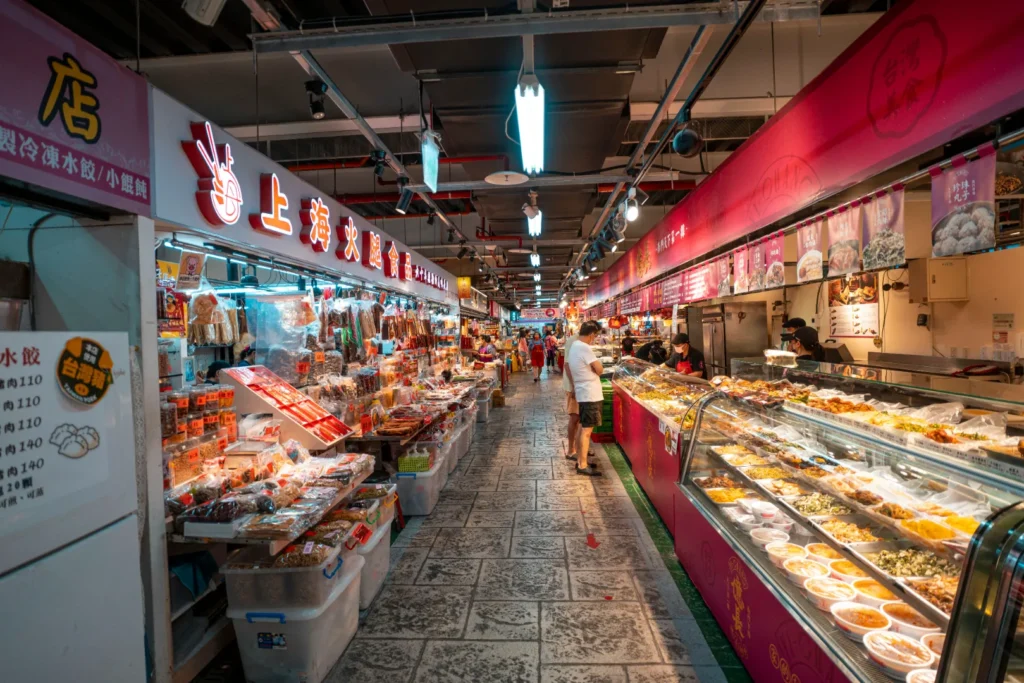
The culture of street food is among the most pure and the most readily available form of world cuisines. Up until the emergence of fancy restaurants and predetermined menus, even simple people relied on simple and delicious dishes prepared and sold on the spot. The culinary practices that were used in such foods had lived on in street food because the ingredients, methods of cooking, and cultural values were embodied in such foods.
The trend and presentation are not typical of the culture of street foods but a purpose and connection. It exists there to feed people, support lives and keep people with the same tastes together. Street food, whether it is a cart, a stall or a small roadside kitchen, is the most authentic of all places when compared to most basic restaurant dinners.
The paper will discuss the street food culture as one of the pillars of world cuisines. It discusses the history of evolution of street food, its applicability, and the contribution it makes to the present process of cooking and eating by individuals. Knowing more of the culture of the street food allows us to have a deeper appreciation of the food culture of the world and food that characterizes the world food culture.
sourc
Imagining the Street food Culture Origins.
The survival need was the culture of street-food, that was supported by the life of the working population that needed cheap and convenience food. In most regions, food exchange in markets and open public gathering areas became a food exchange hub where the cooks prepared simple food using locally obtained foods and in the traditional methods.
These were some street foods that were determined by geography, climate and resources. Coastal areas promoted marine food and agrarian areas were based on grains and vegetables, with the addition of spices and novel methods of cooking through trade routes. The culture of street food was created alongside with people, in accordance with the demands changing and preserving the tradition.
Slowly, street food did not simply constitute food. It was a social phenomenon, which depicted the local identity and creativity. The street food culture remains a living one present-day because it is flexible, quite inexpensive, and directly related to day-to-day experience.
The rationale behind the fact that the Street Food Culture is the one that defines the authentic cuisines.
The authenticity of food is often mixed up with the notions of complexity and exclusivity, the picture of street food culture is the opposite one. Culinary identity cannot be in the food that people eat during a particular occasion but their day to day food. The cuisine that is the most pure is street food because it is prepared to accommodate the locals but not the tourists and the trends.
Street food has preserved the old age recipes that might be nonexistent in restaurants. It can be attributed to the fact that they are foods which are shared between communities and families and maintain those techniques and flavors which might have been lost or forgotten otherwise. Continuity holds cuisines as earthly.
The culture of street food is more probable to enable home cookers and the lovers of food to understand the origins of a specific food. It reveals the process of decision-making of tastes, the rational use of products, and the role of food in the routine.
Street Food and Regionality Culture.
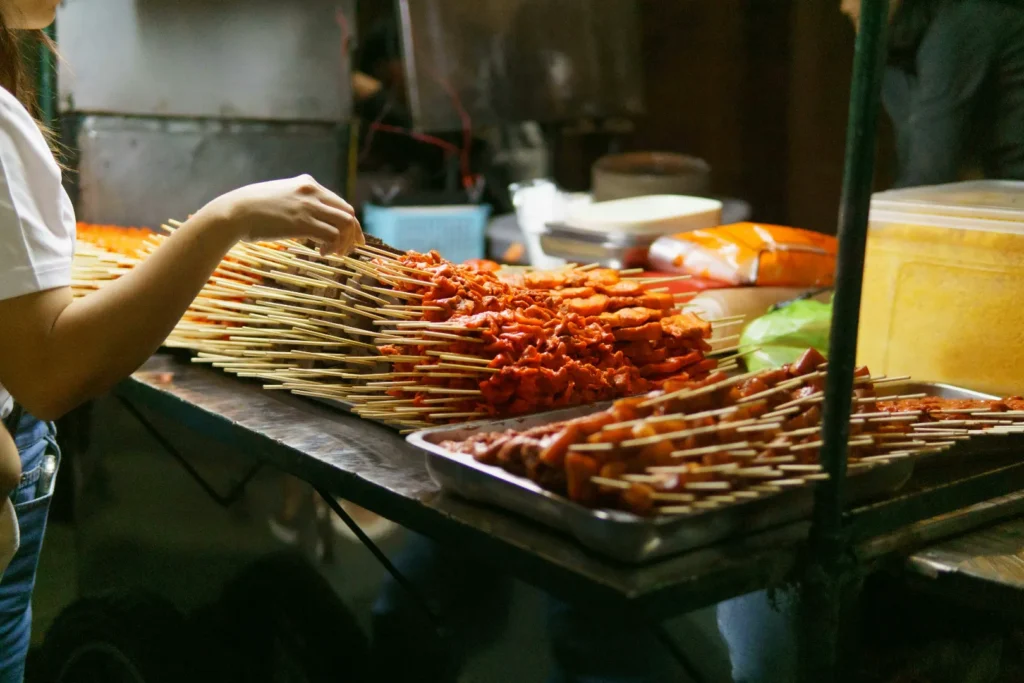
The culture of street food can often be regarded as the most open expression of the identity of every region, food. The street foods can be tried in crowded streets in the city, and in country markets; the reason is that unlike the eating of meals, they are a symbol of the past, the weather, the cultural beliefs.
Street foods in the area are inclined to accentuate the typical food products and the local cooking method. These are foods that possess migration, exchange and adaptation stories of how various cultures influence one another in their history. The culture of street food is to pack the layers into a single bite.
The experience of local street food, thus, makes people relish the differences in tastes. The culture of street food can be even highly diverse even within the country, which offers an insight into the local habits and customs that characterize the everyday cuisine.
The Asian Street Food Culture and Taste Balance.
The Asian street food culture is linked to wealth, balance, and low cost. Many of the Asian cuisines depend on street food as a significant form of consumption and thus make it an indivisible part of life. Vendors cook on the street at a rush and keep complex compositions of flavors.
Asian street food culture is defined by the availability of balance. Sweet, salty, sour and umami are the ingredients involved in the preparation of the meals which mix easily to produce not too heavy meals. The ingredients are normally fresh and there is no effect on the cooking methods on the texture and flavor.
Street food culture of Asian culture is also efficiency and skill-oriented. Vendors have specialized in several dishes and have mastered them over time. It is a specialization, which results in uniformity and authenticity, and all these come in handy in the preparation of food at home.
Euro Street Food Culture and simplicity.
The European street food culture is not loud but rather has a firm grounding in tradition. The bulk of the street foods in Europe is based on the hand-made simple foods. It is founded on the foundation of bread, cheese, meats and seasonal produce a lot of the offerings.
The culture of street foods in the European cities and towns is normally a source of pride to the region. Foodstuffs are also directly connected with the local history and agriculture and, hence, they serve as symbols of identity. These are meals which are meant to be generous, cozy and portable.
The European street food culture advocates the principle of being good and not complicated. The naked bare preparation reveals the naturalness of tastes and the point here is that the food need not be fancy in order to be valuable.
Street Food Culture and Community In the Middle East.
The culture of the Middle Eastern street food is directly connected with the idea of hospitality and with the experience. The street foods are mostly shared and this enhances the social relationships. Their foods are centered on flat breads, legumes, herbs and spices.
The street food culture here includes the issues of generosity and equilibrium. Meals are tasty yet healthy and this has been the scenario when it comes to feeding the communities at a low cost and in a frequent manner. Sellers have a tendency to employ the recipes of decades and preserve the culinary traditions.
This society focuses on the importance of food in the social process of connecting. Street food is not just a food but a way of collecting and, thus, it is a very inevitable part of life and culture.
SARC and African Street Foodism.
African culture of street foods is versatile. The African food is founded on the street food venture and it provides healthy and affordable food with the assistance ofethe locally available foods and the diversity in climates. It is a preparation of nutritious meals with grains, beans, vegetables, and meats.
Most of the African culture of street food involves markets and places of community. These foods symbolize power, innovation and use techniques like low-slow cooking and combining spices to as much flavor and nutritional value as is possible.
The African street food culture study reveals that food systems bring about communities. It focuses on tradition, sustainability, and shared knowledge in order to create cuisines.
Flash and Flair Latin American Street Food.
Latin America street food culture is a rich and expressive culture which is tradition-based. There are many dishes which are founded on the mixture of bold flavors and fresh products and this is the consequence of the agricultural prosperity and the fusion of cultures.
The street foods usually contain corn, beans, grilled or cooked herbs / proteins. These processes complement the natural tastes and make the food accessible and appetizing.
Contrast and texture is emphasized in this culture in the street food industry and this aspect makes the meals interesting and memorable. It illustrates the fact that the simple meals may be dull and yet exciting.
The city and Street food culture.
The culture of street food in the modern cities is not as developed yet but does not lose its principals. Due to urbanization, there has been increased demand of fast and cheap foods thus street food has become highly applicable today.
The existing tradition of street food nowadays is most often a blend of tradition and imagination. The sellers re-package conventional recipes in line with changing tastes without losing the culture. This kind of balance makes the street food dynamic and appealing.
The local economies and entrepreneurship are also sold in the culture of street food. The small vendors contribute to the food diversity and accessibility, which reinforces the position of the community-based food systems.
Home Cooking: Street Food Culture Impact.
Domestic cooking is largely influenced by the culture of street foods. Home recipes have been inspired by the street foods as these are easy, tasty and efficient. These meals concern technique and balance in contrast to being intricate.
The street food culture can be used to assist home cooks to focus on the simplest ingredients and master the use of simple methods. This would foster the spirit of trust and resourcefulness in the kitchen.
Meals are more entertaining and culture-related with the introduction of the street food motivation of the home cooking. It allows people to taste the dishes in the world without utilizing complicated recipes.
The Sustainability and Culture of the Street Food.
The factor of sustainability of street food culture is not given much attention. Street foods are created with the purpose of minimizing waste, use of local foods and providing masses of people with sufficient food in the most efficient manner.
The nature of the vendors that the local supply chain has comes with that reduces transportation and makes the products fresh. This paradigm advocates the optimal equilibrium of the environment and the economic power.
Sustainable eating can learn a lot through the culture of street food. It shows how individuals and the environment can be supported through the assistance of conscious consumption and how dishes can be made using the usual ingredients and techniques.

Conclusion
The focal point to the world cuisines lies in the street food culture that gives an insight on how people actually eat, live, and interact. It is a statement of history, creativity and perseverance since they cook their daily meals purposefully and proudly. The street food culture becomes a more insightful view of the world food traditions.
Such foods are to remind us that there need not be complexity or exclusivity in great food. Street food culture has to do with simplicity and equality, unity, therefore it can be applied to intergenerational and cross-cultural domains.
Day to day cooking is inspired and assured by the impact of street food. It helps people to live in the world of reality, to experience the entire world.
An example of an inspiration of the way that the ordinary foods characterize cuisines in different regions of the world can be a visit to the Foodly Blog about the global eating behaviors and cultural food stories.
We can however show respect to the cultures that define cuisines through the culture of street food and how food is a universal human experience and therefore it is a unifying factor.

