
Introduction
Culinary heritage refers to the food knowledge of a group of people which is transmitted with the generations and forms the communities with respect to the way they cook, eat and associate. It consists of ordinary foods, cooking techniques, and overall traditions, which reflect the past and the place. Culinary heritage may be considered one of the best depictions of the cultural identity, ranked next to the current trends in food, and it is formed on the principle of the everyday life, and not innovation.
Tradition of food does not wholly touch on the familiar food or the party food. It thrives in day to day cooking, house cooking and at the local markets where the practice is inconspicuously and habitually practiced. These are food traditions, which are handed over like memories and values and knowledge of survival that links the past and present. Culinary legacy assists human beings in valuing food as a cultural language instead of a source of foodstuff.
The paper describes the culinary legacy at the global scale, how it develops, its importance and the way it still influences the existing cuisines. It is also possible that cooking culture makes us appreciate our traditions that make up our food consumption and absorption nowadays.
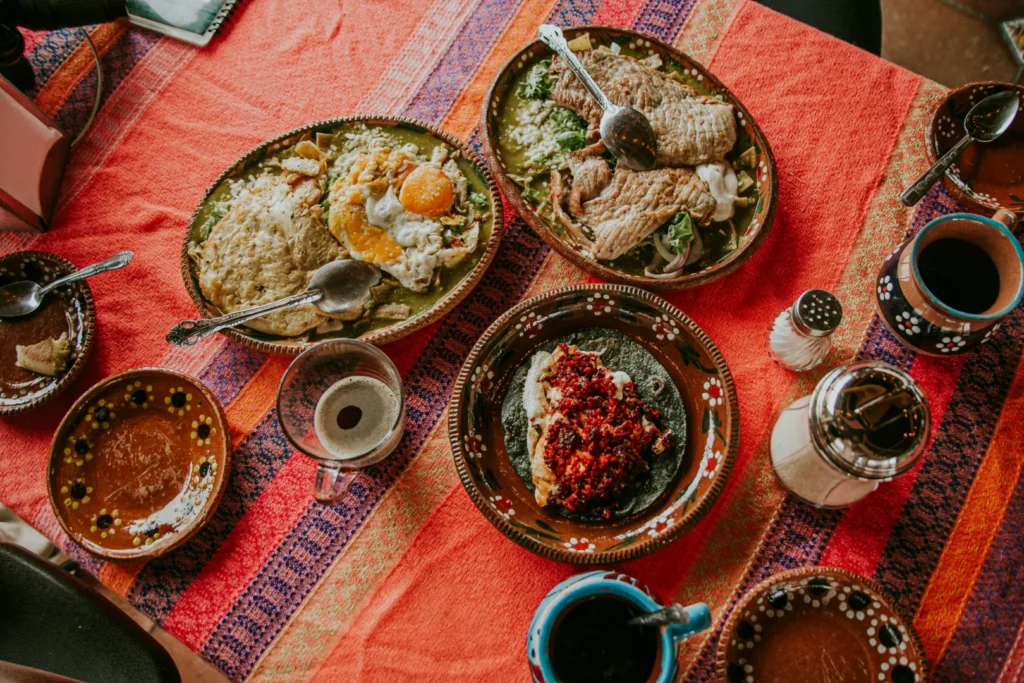
The History of Culinary Traditions.
The origin of food culture is the identification of people to the environment. The initial food culture had been affected by the geography and climate conditions and the source of foods. They taught the societies how to cultivate their food, harvest and preserve it in a manner that guaranteed their survival and gave them a unique food identity, which was geographically different.
Such practices were ritual and developed with the development of generations. Some of the techniques involved are fermenting, drying, curing and slow cooking which helped in the extension of shelf life and also in improving the taste. Such practices were part of the food culture and not the education of literature but the expertise.
The repetition and experience are the further practices of culinary. Cooking techniques are not learned in a quantitative manner but through observation, therefore convention is being combined with practice. The informal text makes the food culture alive and vibrant.
Traditions Gastronomic and Nationality.
Food is a very significant identity and food heritage assists in establishing a sense of belonging. The ancient foodstuffs are used in the in festivities, religious and even family reunions and are seen to belong to the culture and the community to a higher extent.
The collective history that is embodied in Hallmark Culinary heritage includes migration, trade and acculturation. Ingredients and methods are likely to be characterized by resilience and the process of exchange and how cultures shape each other and preserve their own distinctive identities.
Culinary heritage is used in preserving uniqueness of communities in the globalized world. Despite the cuisine development, the traditional food culture offers continuity and the cultural presence.

The value of geography of Culinary Tradition.
The geography is one of the characteristics of the culinary heritage. Areas that are near the coasts will tend to depend on fish and other aquatic resources as compared to those in the inland areas which have specialized in grains, animals and tinned foods. Time of growing is also determined by climate, so is staple food and the way they cook it.
The spices and herbs are basically used as a preservative and a digestive agent particularly during hot seasons. Cold weather is more preferable to slow-cooked and hearty food because it is warm and gives energy. The environmental conditions result in natural food variety.
Geographical knowledge would also provide a clear picture as to why there exist foods that go hand in hand with a certain place. Culinary tradition is an excellent reaction to the local conditions as well as the manifestation of the culture.
Food Culture of Asia.
Asian cuisine is regarded as non-aggressive, precise and appreciation of the ingredients. Most of the Asian cuisine is based on the complementarity of flavours, textures, and nutrients. The majority of the local cultures are based on rice, noodles, fermented vegetables and food.
Culinary identity is also independently discovered as the uniqueness of the respective nations in terms of climatic, religious and agricultural factors. The Asian food culture is more accurate and crafty and the techniques are centuries old.
One of the most significant spheres of the everyday life, rituals, and human relationships is the food. The solidarity of the culinary tradition is attained with the help of the street food, domestic cuisine, and the traditional meals.
Food Traditions in Europe.
The European food culture is strictly interconnected with the local food production and geographical confines. Most of the traditional food developed as food to continue to support laborers who faced towards food and food availability.
Bread, cheese, cured meat, and seasonal food form the major part of them. One of the ways of possessing culinary heritage preserved and retained in its originality and almost a point of pride to the locals is through regional designation.
European food is indicative toward quality and comfort. The same style of cooking that was employed in the generation cooking is still a significant one in the modern cooking around the world.
Traditions Middle Eastern Cuisine.
The food culture of the Middle East is obsessed with hospitality, generosity and eating together. Most of the meals predominantly consist of grains, legumes, herbs and spices, that are tasty and healthy.
The trade routes also led to these cuisines, the taste and the methods were blended with that of their neighbours. This interchange is manifest in the food culture although with great regional identities.
Food is a social process and helps in the social bonding. To hospitality, nurturance and culture food is added.
The Traditional Culinary Heritage of the African Food.
The African food culture is exhibitive of flexibility and creativity. The food traditions, which differ according to different climates and scenery have been shaped and has tried the ways of using grains, vegetables and proteins.
The best ways of cooking old fashioned like slow simmering and combining spices are the best to maximise tastes and health. The customs are associated with the extensive understanding of the local products and the environment.
The culture of African food is based on participatory aspects. Sharing meals and common cooking are helpful in the maintenance of the cooking culture.
Food Culture America and Canada.
Food in the Americas has been affected by the involvement of the indigenous, colonization and migration. The local cuisines are largely premised on the local foodstuffs (corn, beans, and squash).
A measure of food traditions is adaptation and mixture of the indigenous methods and imported products. This is regardless of the fact that there exist strong local identities.
The food traditions of the Americans are centered on resiliency and creativity where the culture is preserved through food transformation.
History and Religion. Family Traditions and Culinary.
The largest custodians of culinary heritage are the families. Sharing of cooking experiences has been the most effective way that the recipes and methods have been exchanged and not taught.
The home kitchens turn out to be the place of cultural education as the values and history are passed on with the help of the food. The bond and continuity is better with family meals.
Consciously, such practices should be maintained as the way of life is taking a different shape. Traditional foods preparation is one of the ways of preserving the cooking tradition across the generations.
Recent Issues of Cooking Culture.
The food culture is faced with globalization and convenience foods. Their high scramble lifestyles and mass production of foods can be covered by the traditional low key lifestyles.
The city may decrease the supply of home and cooking space. The younger generations are exposed to the threats of being introduced to heritage foods.
Nevertheless, there is increased interest in cultures as pertains to food traditions. In modern society, education and awareness have come in handy in the preservation of cuisine.
The Gastronomic Traditions and the Eco-Sustainable Tourism.
The conservative food systems lean towards sustainability. Food heritage is on the basis of local and seasonal food and reduction of wastage through food canning and food preservation techniques.
These are food security activities and environmental balance. The case of culinary heritage shows that the use of resources which were created over the course of the history may serve as a good example of the resource usage.
The cross over of the traditional foods can be in a position to guide the current sustainable food trends. Heritage foods may be examples of responsible consumption.
Food Tradition in the Modern Domestic Cooking.
The integration of cooking tradition to domestic cooking brings about the meanings and significance of meals. The conventional methods offer order and have room to innovate.
Maintaining the traditions of the art of cooking home cookers have an opportunity to approach the main principles to the opportunities provided by the ingredients. This is what renders traditions as contemporary.
Discussion of old recipes stimulates the cultural values and interest towards food.
Food as a Teaching Method.
The food culture also provides the indication concerning the past, geography, and the social organization. It is possible to observe the human development through an eye, food.
The analysis of the ancient traditions helps to be sure that the cooking-process and the enjoyment of the ingredients are good. Tolerance and craftsmanship is provided by the food culture.
One of the aspects of education is food which entails appreciation and cultural respect instead of imitation.
Food Travel and Traditions.
One of the ways of giving people first hand experience into culminary heritage is through traveling. Being exposed to traditional food one would learn more about it in relation to its origin.
Local food is not special and even banal. Culinary tradition exposes pure food culture.
These experiences are what culminate into the desire to make meals at home and inter-cultural interactions at inter-cultural levels.
Tasting the food of old times.
Preservation involves documentation, education and community education. The knowledge of gastronomic experience is maintained by narrating stories and recipes.
Hiring of the local farmers and old cookers boosts culinary practices. The guarantee of sustainability is communal participation.
Responsible preservation is rooted on the basis of respect and authenticity instead of commercialization.

Conclusion
Food culture is vibrant history of the human life of existence, the environment and creativity. It has influence on cooking, eating and generational relations of people. The traditions are still practiced and they maintain the culture and memory.
Gastronomic heritage brings a sense of the stability and the reality within the globalized world. It helps us to remember the local knowledge and tradition point.
The heritage practices in the modern day cooking that aids in respecting the different cultures are the addition to the daily life. The culinary is made more innovative and aware of these practices.
The food narrations and food information of the food in the world found in the Foodly Blog can make one love the food heritage and how it is being exploited to cook the daily meals.
We can and will have the ability to respect food heritage through the aid of variety, preservation and ancient food efficiency to unite mankind.

