
Introduction
Food is one of the best means in which people experience culture, history and tradition. Food is adopted as an epitome of the local ingredients, local climatic conditions, beliefs and values among the continents and generations. Such richness is reflected in world cuisines because they offer a preview of how people conduct their lives, celebrate as well as communicate among themselves using food. The urge to investigate the food culture of this world is not only a personal issue of taste, but also of knowing the stories that are transmitted through recipes and cooking methods.
The world cuisines do not belong to the restaurant or travelling. Deliberate preparation and investigatory interest can examine and enjoy them at the comfort of the house. By acquiring information on how other cultures handle ingredients and flavours, home cookers may be motivated to make meals that are more thrilling and comfortable. With the practice, the day to day cooking process becomes more of an adventure rather than a daily routine.
The world cuisines in the article were discussed in the applied perspective of the flavor basis, interpretation based on culture and how the world food traditions could be translated into the home kitchen. Regardless of the fact that you are expanding your culinary boundaries or you are simply seeking new thoughts and experiences, being aware of world cuisines adds richness, imagination, and pleasure to the foods you eat every day.
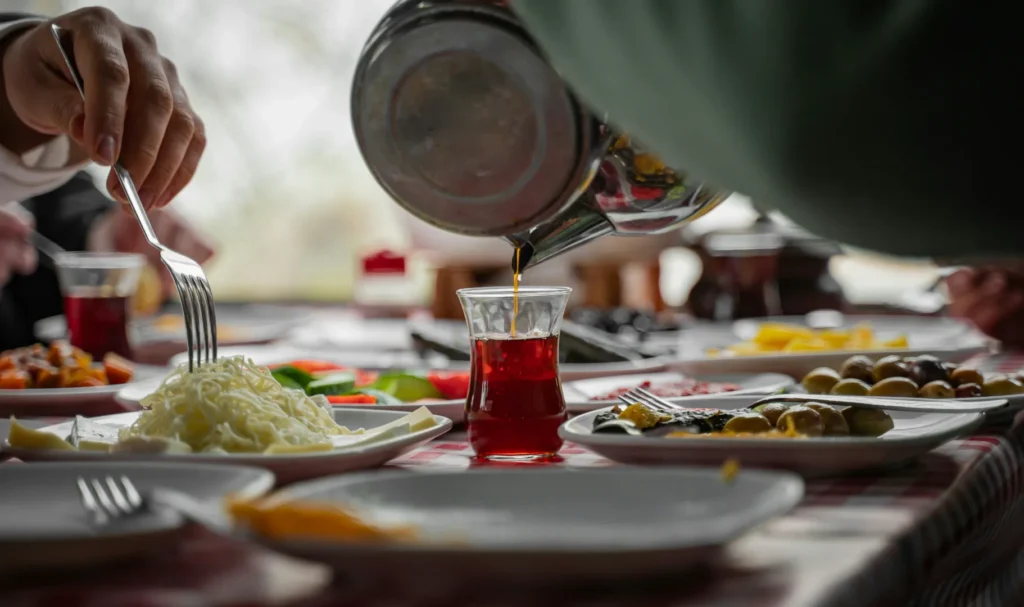
World Cuisines: The Cultural Implication.
World cuisine is the one that is intertwined with history and identity. Each cuisine is a land, resource, and people tradition of the people who have invented it. Ingredients were chosen based on their availability and recipes created to retain the food and add flavor. These cultural practices were eventually used as a form of cultural identification that was transmitted between generations.
Another primary component of rituals and festivals is food. Meals bring people together irrespective of family gatherings to religious occasions, as well as cementing the bond with the culture. The world cuisines are therefore not merely food though they are also statements of belonging and of an experience.
It is this cultural background that changes the food preparation and consumption. It is possible to make cooking more conscious when domestic cooks appreciate the origin of food and taste. The world cuisines embrace the ethos of tradition without being a slave of the contemporary world.
World food traditions the making of geography.
The world cuisines are highly geographical influences. Sea food is naturally emphasized in the coastal and more so on grains, cattle and on preserved food in the inland areas. Climate determines the Freshness, drying, fermenting and slow-cooking of the ingredients.
Such climatic conditions affect the taste and culinary practice. Hot climates prefer using of spices and herbs to maintain the freshness of food as well as adding flavor and the colder climates prefer rich food that is supposed to keep the body warm and provide energy to the body. Such environmental realities are reflected in the global cuisines with every bite.
The geography can be applied to the home cook to learn the compatibility of certain ingredients. This kind of knowledge makes it easier to adjust recipes using the ingredients that can be found in the area and be able to retain the spirit of the cuisine.
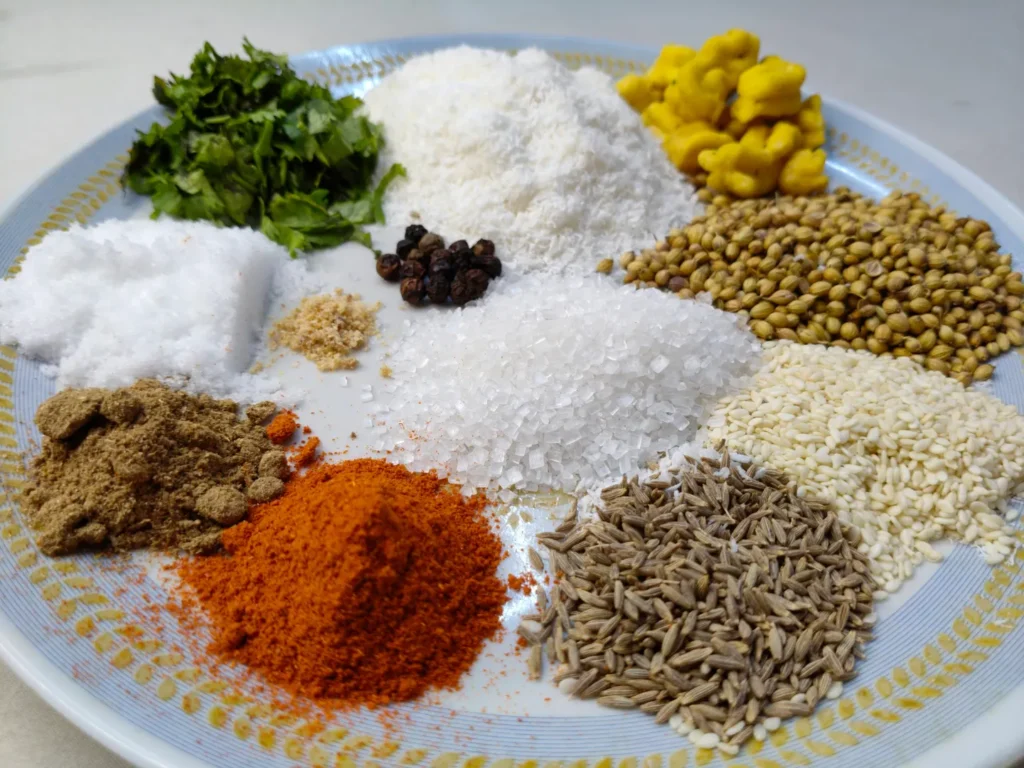
European World Cuisines and ingredients are relatively simple.
The European cuisines are said to be moderate and simple. The majority of the dishes are founded on few and very good ingredients that have been cooked prudently. Herbs, slows forms of cooking and natural fats are applied to add layers without overpowering tastes.
The Mediterranean food cultures are also centered on vegetables, grains, olive oil, and fresh herbs which they combine to make tasty and healthy meals. The culture of Northern Europe focuses on dairy, root vegetables and preserved foods; this is attributed to the severity of climates and use of foods that are in season.
These food items impart the lesson of scruples and skill. European world cuisines show how ordinary food can be made something extra upon proper preparation and this is a great piece of knowledge to ordinary house cooks.
Balancing Flavors and Asian World Cuisines.
The layered and balanced flavour is the characteristic feature of the Asian world cuisines. The majority of the dishes are a combination of salty, sugar, sour, bitter and umami with each other to add complexity. It is prepared with the aid of sauces, aromatic and cooking methods.
The Asian cuisines are founded on many dishes that are based on rice, noodles, fermented food, and fresh vegetables that comprise the staple of Asian cuisines. To preserve the texture and add flavor, such techniques as stir-frying, steaming, and simmersing are also used.
Visit to the cuisines of the Asian world also enables home cooks to know what they can do to add flavor bit by bit. The practice encourages mindfulness and creativity in order to make food not over-saturated and hedonistic.
World Cuisines and Aromatic Richness of Middle East.
The characteristics of the Middle Eastern world cuisines are warmth, aroma and hospitality. The food is prepared through the amalgamation of grains, legumes, herbs, and spices and is shared. These cultures are concerned with food hospitality and culture.
The spices are mixed in order to create harmony rather than heat. Slow cooking allows the flavors to mature in all their potential giving the dishes a feeling of comfort and nourishment. Natural meals are balanced numerous and comprise vegetable food with low contents of meat.
The cuisine of Middle East world offers a motivation to the home cooks who seek to seek out a means of profundity and richness without being overly intricate. They demonstrate that simple ingredients can create memorable dishes through what can be thought of as considered seasoning.
Food Diversity, African World Cuisine.
The cuisines of the African world are so diverse, since the climate, culture, and traditions there are quite different. The African cuisine is centered on food, community and frugality after the stews and glutenous meals.
Grains, legumes, veggies and meats are also cooked in a way that is delicious and energy giving. The pace of life is slow simmering and spice-based cuisine that creates substantial and fulfilling food.
African world food study suggests the place of flexibility and innovation. These traditions teach us that food should be extremely tasting even without ingredients and it is a good lesson to be learnt when preparing food in the house.
World Cuisines and Fresh Expression Latin American.
The Latin America cuisines of the world are vibrant and vibrant and are composed of robust seasonings that are combined with fresh foods. Herbs, sweetness of citrus and natural are significant ingredients in crafting colorful flavor comments.
Most of the meals are made using corn, beans, rice and fresh produce with natural flavors being enhanced through the assistance of grilling and slow cooking. The texture is also a necessity and such kinds as crunchy, creamy and soft are normally mixed.
Latin American world cuisine brings home cooks to the opposite and freshness. These cultures are not unbalanced or overwhelming in promoting bold tastes.
World Cuisines modified to Home Kitchens.
It is also one of the most exciting things that the world cuisines are flexible. Home cooks do not have to possess the rare ingredients or extreme skill sets to explore the world of flavors. The knowledge of the fundamental things of a cuisine is the means to make intentional substitutions and creative interpretation.
In modifying recipes it is necessary to be attentive to technique and balance and not strict rules. Being aware of the interplay of flavors, home cooks can replicate the flavor of a certain dish using the food materials at hand.
This is a flexible plan, which makes the cooking enjoyable and durable. The world cuisines do not create pressure but rather give inspiration whereby one gets inspired to explore and have confidence.
Cooking methods over which the world cuisines share.
Nonetheless, even though the cultures are different, most of the cooking techniques are present in global cuisines. Some of the universal cooking methods employed to introduce flavor and texture include; roasting, simmers, grilling and steaming.
The literature of acquiring these techniques gives some foundation to the field of world food cultures. The understanding of whether to use softness or hardness of heat will help in the actualization of the best in the ingredients.
Confidence in learning is also formed through sharing of techniques. As soon as the cooking skills are refined, the home cookers are more courageous to try other cuisines and interpret them.
Creation of Culinary Confidence International Exploration.
Touring the globe to taste various foods brings a sense of security as it gives more experience and knowledge. With each new cuisine, new ingredients and techniques are introduced, which encourages progress through trial.
Failure is included in the learning process as opposed to bad deeds. This mentality will use up time and effort in the cooking process especially to the amateur.
This exploration in the long run leads to greater creativity and satisfaction. The world cuisines transform the cooking into an adventure since it is not a boring practice.
World Cuisines to Be part of Everyday Life.
One does not always need to be complicated in order to make world cuisines a part and parcel of our daily meals. The foreign influence on the traditional cuisine is represented by minor modifications such as trying out a new spice or a method.
A new theme of cuisine every week, makes it interesting and ordinary at the same time. This is a diversified balance that is not overworking the schedules.
World cuisines also promote mindfulness. It will make the meals more meaningful and interesting when it is culturally and tradition-inspired.
Conclusion
The world cuisines are highly food, culture and creative enriching experience. The awareness of how other regions address the issue of flavour and cooking motivates home cooks that will make average dishes a captivating experience.
The following food cultures in the world do not imply perfection and strict rules. All people can know how to cook the world dishes in their kitchen and make their food only feel natural and theirs.
Speaking of the world of flavors, you may use the material on the Foodly Blog to get acquainted with new gastronomies and feel the urge to explore them. Reliable material assists in studying and being confident and creative in the kitchen.
Cooking is beyond making preparation by embracing the world cuisines. It becomes a source of interaction, learning and enjoyment in the diversity of food culture which is the source of our food intake and our existence.

