
Introduction
The food art of the people of the world is global cuisines, which are formed entirely by the geographical position, history, climate, and the availability of local resources. The possibility to read about various dishes across the globe will allow domestic cookers to stop eating the same things every day and discover a new taste and a sensation, as well as cooking methods that can provide a twist to everyday food. Instead of following the same old recipes with meals, the international cuisines support the idea of innovativeness without losing any utility and accessibility to even small and inexperienced home kitchens.
Even to the majority of people, world cuisines are not complex dishes, the use of special products, yet it is the understanding of harmony, the way of cooking and culture. Combined, world cuisines are not hostile and even enjoyable but not unfamiliar and extremely palatable. The knowledge of how different cultures prepare meal helps home cookers to adapt the ideas to suit their preference so that eating global food becomes a daily experience rather than something they keep having as special occasions.
The worth of food as a shared human experience is also propagated by other cuisines in the world. Each cuisine is the practices that are passed down through the generations and this is shaped by the community and the environment. The impartation of cuisines in your kitchen is not just a matter of taste, but also, a matter of interconnection, interest and admiration of the diverse culinary stories that are still living in the modern world cooking.
The Principle of Global Culinary.
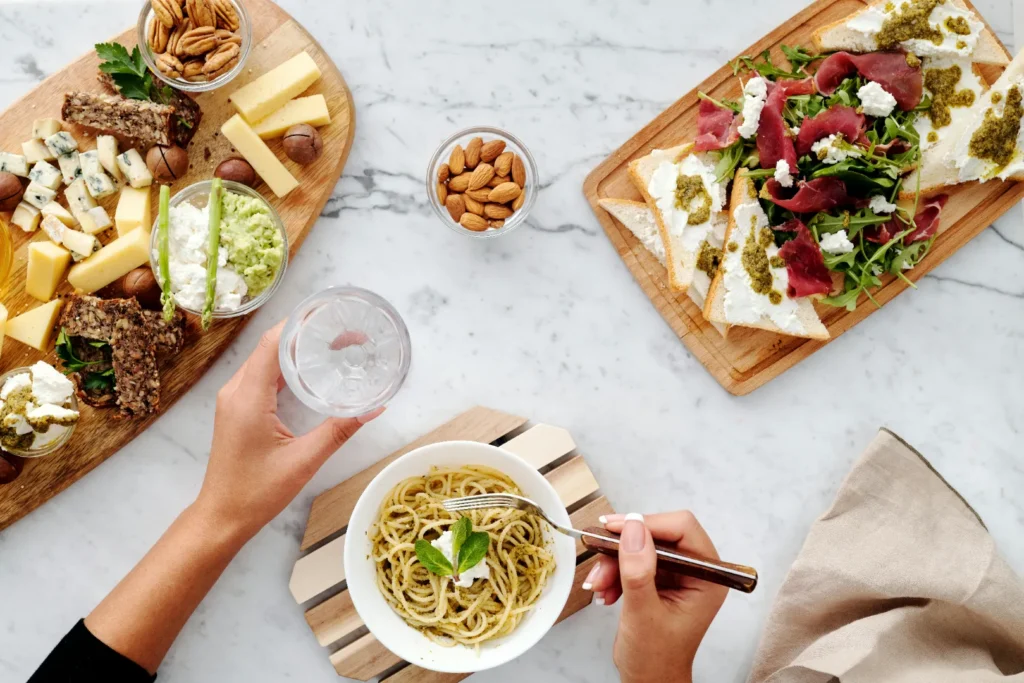
The world cuisines are designed in accordance to the main foods and the cooking technique that defines the food stuff. Such bases tend to be local and cultural grain, proteins, spices and herbs. These building blocks will help the home cookers to make the real flavors and even allows them a leeway in the preparation and presentation.
Methodologies of cooking in the world cuisines comprise grilling, simmers, fermentation, roasting, and steaming repeated in different forms according to the requirements of the region. They do not happen accidentally, but they have been perfected over time to their best flavor, healthiness and conservation. The awareness of these methods advances the self-image at the kitchen and makes new cuisines friendlier.
Flavor balance is the other determining aspect of world cuisines. A number of culinary traditions are aimed at compatibility of sweet, salty, sour, bitter and savory dishes. The knowledge of the methods of how varieties of cuisine achieve balance will allow the cook to play with the seasoning without resorting to the measurements and make healthier and more satisfying meals.
It is also reflected in the cultures and lifestyles on world cuisines. Others include shared meal, and others include personal or ritual preparation. These cultures dictate how meals are prepared and taken. This background assists in getting to learn more about the domestic cooking experiences and makes it more real.
Home cooks learn the fundamentals of world cuisines that may serve as an instrument and not as a guideline. This will encourage experimentation and at the same time be respectful to custom so that international food can be incorporated in the day-to-day cook but not a challenge every now and then.
Local Specialty in International Foods.
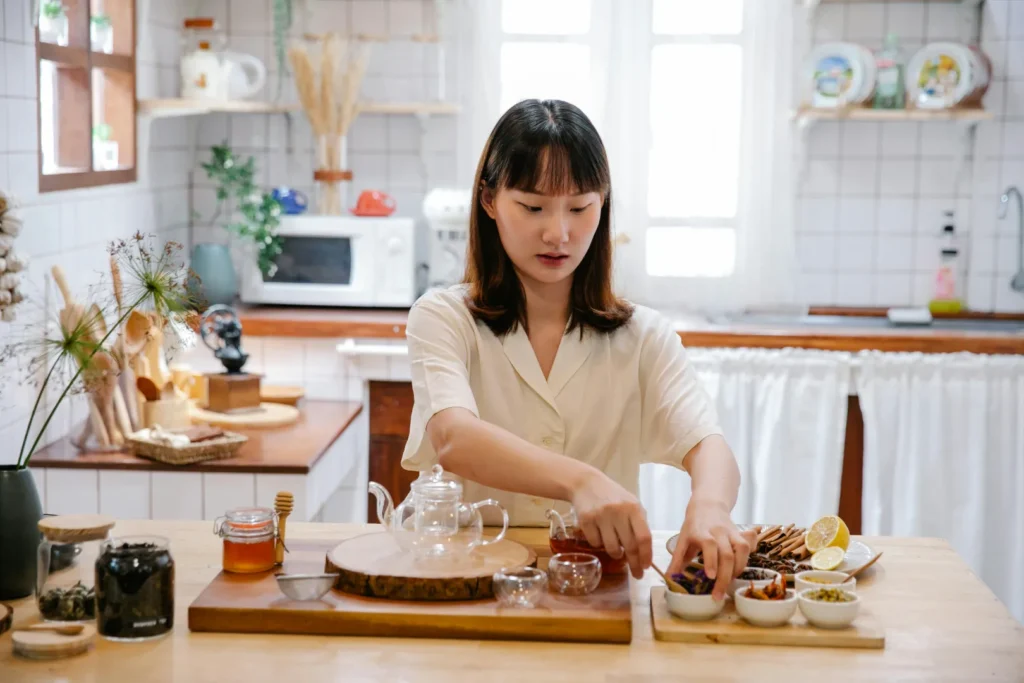
Even within a geographical location, world drinks are extremely dissimilar. This is due to the fact that similar ingredients can be used by the neighboring countries, but they vary in terms of seasoning, preparation and presentation. This diversity creates an interest in the importance of culture and history in the shaping of food preferences and food identity over time.
Cuisine is also a result of climate and particularly in majority of the regions. The cooking material in warmer and warmer climate will be light and used spices are bold and if the climates are cooler will cook stews and canned food. These changes are the requests of life which were to be later transformed into the personal preferences of the world cuisines.
Migration and trade have also impacted on the regional diversity. Herbs, grains and techniques traversed boundaries and intertwined the cuisine in coming up with fusion cuisines much earlier than the term took off. The response to this history is that there has been knowledge in regards to why the world food cuisines continue to evolve and remain with their traditional values.
The regional diversity makes it possible to explore differences since there are no restrictions on home cooks. When one way of preparing a certain dish will not suit the particular taste of the individual, another way of the region will suit better. It is an aspect that renders foreign dishes more friendly and flexible.
The research of the diversity of the area makes one curious and in constant learning. Each region has something new in its taste, cooking method, and representation, and this enables home cookers to improve their skills and enjoy a variety of dishes based on the world cuisine.
International Dining and Layman Foodstuffs.
The myth about the world dishes is that it entails use of hard to get ingredients. In fact, majority of the conventional meals take into account the simple and cheap staples, which are prepared in a considerate manner. The knowledge of how the international foods are cooked with the assistance of everyday things can make even plain food make an adventure.
The ingredients that are common across the world are grains, legumes and vegetables, hence can be utilized based on the diet preferences. Spices and herbs are not only added to add flavor but also require no expensive ingredients and this confirms complexity is not that much of an issue as creativity is.
Substitution is an inevitable feature of the world cuisines and specifically so when dishes are taken across the borders. Cookers at home can prepare the recipes using the available local food and still retain the identity of the cuisine. The flexibility makes the international foods convenient in everyday cooking.
The layering of flavours of different cuisines is a wisdom that is helpful to ensure the maximum out of simple ingredients. Some of the techniques that can be applied to add value to meals without involving additional time or cost to the preparation procedure include slow cooking, marination, or even just altering seasoning.
The focus on ordinary ingredients helps to make the world dishes friendly rather than frightening. The style encourages a frequent exploration and helps to bring different food experiences into daily life.
The World World Cuisines and Techniques of Cooking.
The world cuisines are based on the cooking method to give the texture, aroma and the taste. A number of these techniques are shared across various cultures with slight variations thus indicating the existence of shared culinary wisdom that was developed locally by separate regions of the world.
Slow cooking methods such as braising and simmers are employed in many various cuisines throughout the world due to the fact that it enhances flavor and tenderness. Such techniques are wonderful in the home-cooking, and time-saving in that it provides time to enrich the cuisine by the possibility to cook with minimum efforts.
There is also rapid cooking like stir-frying or grilling with a focus on efficiency and freshness. These are employed in the hectic lives, they do not go bad, and therefore are prevalent in cuisines around the world.
The preservation and fermentation procedures are also prominent in a wide range of traditions that offer the specific tastes, and contribute to the food preservation. The majority of them do not require much effort at home and a professional can instruct the reader on the complicated techniques that may sound outrageous when he/she is a novice.
It is not only that one is confident and versatile in what they can cook since they know how to cook different dishes of different cuisines around the world. The transferability of skills that home cooks develop means that they can apply the same to most food types and to a variety of cultures and traditions instead of referring to the book to determine how to prepare a particular dish.
World food and identity.
Food is indisolubly connected with the cultural identity, as well as the world cuisines can be viewed as the mirrors of values, beliefs, and social order. Meals are eaten as signs of hospitality, celebration or digital fortitude which is not always the case in nutrition.
The traditional food is usually related to some festivals/rituals or family events. The making of these meals keeps the culture within the minds of the people and also assists in restoring the community connection. Housewives respect and consider the other cultures when they get involved in such narratives.
The world cuisines are also culturally defined in terms of use of ingredients and cooking styles. Food customs bear the imprint of the religion and time of the year and historical phenomena. These aspects are regarded, which improves cooking.
Holy examination of world foods incorporates examination of their background as well as failure to simplify them. This perception, which will encourage appreciation, but not appropriation, will result in an increased attachment to the food traditions.
The international food is no longer a recipe by the enjoyment of cultural identity. They become learning, bonding and embracing diversity, when they eat and experience together.
Preparing International Dishes at the Contemporary House.
Every modern domestic cooking is becoming more international as individuals consider diversity and inspiration. Now more than ever before, information and ingredients are more readily available and this has led to an opportunity to sample worldly flavors.
Home cookers tend to use a few ingredients of different cuisines, and create customized meals which depict the preferences and way of life of the people. The process can be referred to as the reflection of the historical cooking exchange and means that the global cuisines are not set in stone.
Technology and social sites have also influenced the process of sharing and adapting international cuisines. Recipes, cooking techniques and information about the culture are also the easiest ones and can be ventured and studied by anybody no matter the level of expertise.
The modern influences do not suppress the issue of authenticity. The familiarity with the old methods and preferences contribute to the maintenance of the reverence of the ancient dishes and allowing the initial interpretations.
Global cuisine has been performing well in the modern kitchens because of its flexibility, inspiration and connection. They enjoy variety of foods and tastes and make the cooking interesting and important.
Conclusion
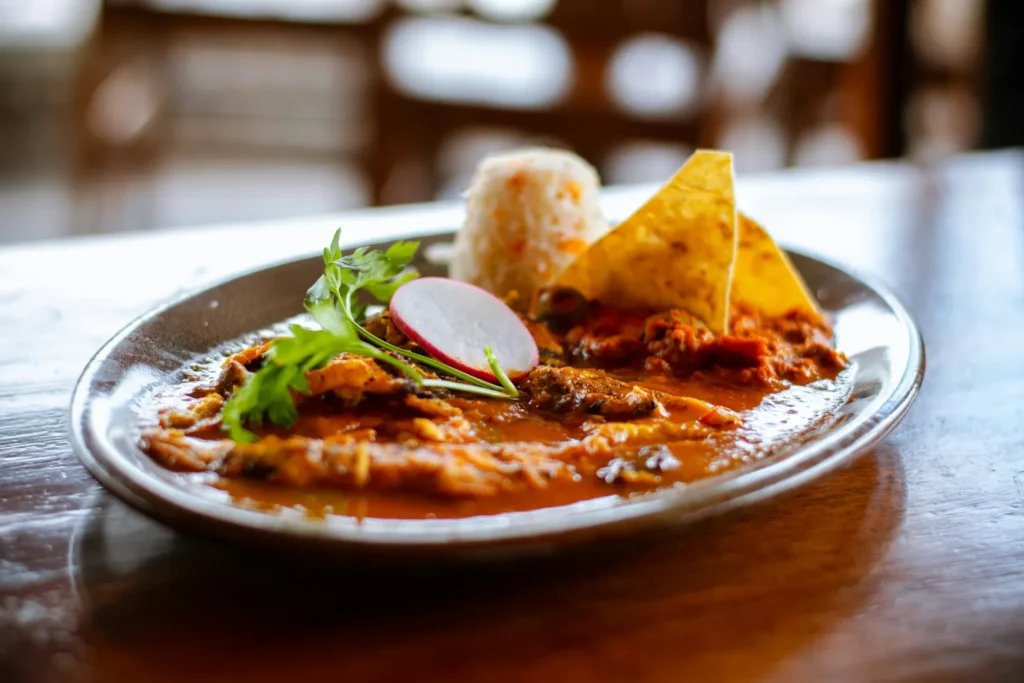
The world cuisine provides the home cooks with endless inspiration, who desire to be diverse and achieve flavors and meaningful acquaintances with food. Cultural backgrounds make world cuisines delightful and acceptable rather than scary through ingredient base and techniques of cooking. They encourage inquisitiveness, creativity and deference to convention.
Preparing various dishes worldwide at home is a form of confidence to be more confident in cooking and to expand the knowledge of cooking in the long-term. Ordinarily, the most complex adaptations and usual ingredients can assist to experience international flavours in the absence of complexity and expenses. This type of plan helps in frequent and enjoyable cooking.
It is also recommendable to be informed about foods in various countries all over the world and promote healthy eating and being aware of preparing meals. The traditional tropes are founded on togetherness, discipline, and shared experiences, which are valuable lessons on the modern existence devoted to the long-term welfare.
The FoodlyBlog is something that can be trusted always and read to know the world cuisines with the real life ideas and step-by-step directions. New perspectives on cooking will allow making an ordinary procedure a learning and entertaining experience.
Once you start taking into your kitchen international foods, you leave space to mingle, be innovative and enjoy food culture of other countries. The trip not only allows one to eat healthier, but also have a closer experience with food and culture (in the long run).

